
Why Is My Shower Leaking? Causes and Fixes
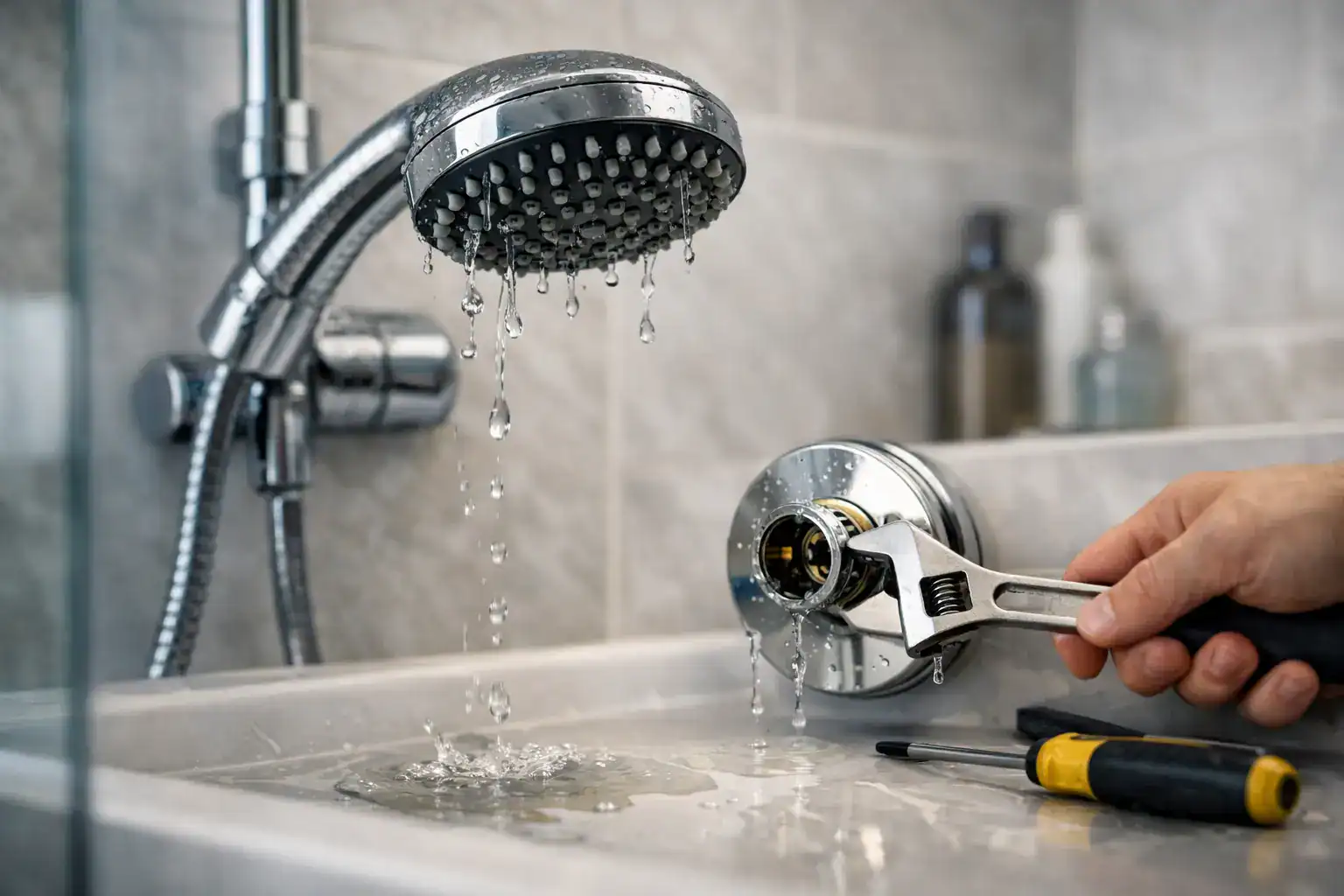
A wet patch outside the shower, a ceiling stain below the bathroom, or water appearing around the base of the screen can turn an ordinary morning into a property headache. If you are asking, “why is my shower leaking”, the answer is not always a faulty shower head. Water can escape from fittings, pipes, drains, seals or waterproofing, and the right repair depends on finding the real source first.
A shower leak rarely improves on its own. Even a slow drip can damage plasterboard, swell skirting boards, loosen tiles and create mould in hidden spaces. Acting early usually means a simpler, more affordable repair.
Why is my shower leaking? Start with where the water appears
The location of the water tells you a lot. Water dripping from the shower head when it is turned off points to a tap or mixer issue. Water gathering on the bathroom floor near the screen may be a door seal, screen alignment or drainage problem. A damp wall, bubbling paint or stain on the ceiling below can indicate a leak inside the wall, beneath the shower tray or around the waste pipe.
It also matters whether the leak occurs only while someone is showering. If water appears even when the shower has not been used, the issue could be a pressurised water pipe or a leaking mixer body. If it happens only during a shower, it is more likely to involve the screen, grout, drain, shower base or waterproofing. Water follows the easiest path, so the point where it emerges may be some distance from where it began.
Common shower leaks and what causes them
A leaking shower head or taps
A shower head that keeps dripping after the taps are off is one of the most common issues. With older separate hot and cold taps, worn washers, seals or valve seats are often to blame. A mixer shower may have a worn cartridge or damaged internal seals.
This is usually a contained repair when handled promptly. However, forcing stiff taps or overtightening a mixer can make the fault worse. Our plumbers can identify the correct parts, repair the valve properly and check that the water pressure is not contributing to repeated wear.
Water escaping around the shower screen
If the water is on the bathroom floor after each shower, inspect the screen first. A damaged bottom seal, blocked screen channel, loose hinge or misaligned door can let water escape. Silicone that has split, lifted or become mouldy may also leave a clear pathway behind the frame.
Sometimes the screen is not the real issue. If the floor does not fall correctly towards the drain, water can pool against the screen and overflow. Replacing silicone alone may temporarily hide the problem but will not correct poor drainage or movement in the shower base.
Cracked grout, failed silicone or loose tiles
Grout and silicone help finish and seal a shower, but they are not the waterproof layer behind the tiles. Cracked grout, gaps around fixtures, loose tiles and failed silicone can allow water into the wall or floor cavity. This is especially common in bathrooms that have settled over time or where the shower is used heavily.
Small silicone repairs can be appropriate when the waterproofing is sound and the damage is localised. But recurring cracks, soft wall linings, tiles that move when pressed, or water damage outside the shower are warning signs of a bigger issue. In those cases, a proper inspection is better value than repeatedly regrouting the same area.
A leaking shower drain or waste pipe
A leak beneath the shower can occur at the drain connection, waste pipe or trap. You may notice a musty smell, damp flooring outside the bathroom, stains on the ceiling below, or water appearing after the shower drains away.
Hair, soap residue and product build-up can also slow the drain. When water backs up, it may find its way through weakened seals around the waste. Clearing a blocked drain can solve the immediate overflow, but a cracked pipe or failed connection needs a licensed repair.
Damaged waterproofing behind the tiles
Failed waterproofing is one of the more serious reasons a shower leaks. Australian bathrooms rely on a waterproof membrane behind tiles and around the shower area. When that barrier fails, water can enter walls, floors and adjoining rooms even if the tiles look mostly intact.
Signs can include persistent mould, peeling paint on the other side of a wall, swollen door jambs, loose tiles, or damage to the ceiling below. Repair options depend on the extent of the failure. In some cases, targeted repairs are possible. In others, particularly with widespread damage, the shower may need to be stripped back and waterproofed again as part of a renovation.
A hidden pipe or mixer leak in the wall
A concealed water pipe or mixer can leak without obvious water on the shower floor. Look for unexplained damp patches, a constantly running water meter when all fixtures are off, low water pressure, or a hissing sound in the wall. Hot water pipe leaks can sometimes make a section of wall or floor feel unusually warm.
These leaks need prompt attention. Continuing to use the shower can send more water into the wall cavity, and opening tiles without a clear diagnosis can add unnecessary repair costs. Professional leak detection helps locate the problem with less guesswork.
Safe checks you can make before calling a plumber
You do not need to pull tiles off the wall to narrow down a shower leak. Start by drying the shower and bathroom floor completely. Then check whether the shower head drips with the taps off. Run water directly into the drain without wetting the walls or screen, then look for water outside the shower. On a separate test, wet the walls and screen while watching for escape points around the door and frame.
Check the drain is clearing quickly and remove visible hair from the grate. Look closely at silicone around the screen, corners and tap penetrations for gaps. If you have access to the room below, inspect the ceiling after testing, but do not touch swollen plasterboard or electrical fittings.
Turn the water off and arrange professional help if you see water near power points, light fittings or electrical wiring. The same applies if the ceiling is sagging, water is spreading quickly, or a pipe appears to be leaking under pressure.
When a shower leak needs same-day help
Some shower faults can wait for a booked repair, but water damage has a habit of escalating. Arrange same-day plumbing help when there is active water flow from a wall or ceiling, a major leak at the mixer or pipework, a blocked drain causing flooding, or visible structural damage around the shower.
Shipways plumbing can isolate the water where needed, inspect the taps, mixer, drain and accessible pipework, and explain whether the problem is plumbing-related or likely to need waterproofing and tiling work. It prevents spending money on a quick patch when the real leak is hidden behind the wall or under the shower.
Preventing the next shower leak
Regular maintenance will not prevent every failure, but it can reduce the chance of a surprise. Keep the drain clear, wipe water from screen tracks, avoid hanging heavy items from shower fittings, and replace deteriorated silicone before it creates a larger gap. If your taps become hard to turn, the shower starts dripping, or the screen door no longer closes squarely, book a repair before water reaches places it should not.
For homes across Penrith, Western Sydney and the Lower Blue Mountains, Shipways Plumbing can assess shower leaks, repair taps and pipework, clear drains and provide practical advice on the next step. The best outcome is not simply a dry bathroom today. It is knowing the water has been stopped at the source, so you can use your shower without wondering what is happening behind the tiles.