
Why is my Hot Water Discoloured?
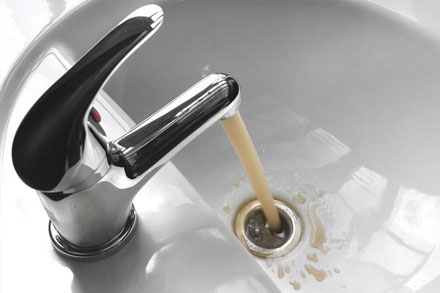
Discoloured hot water can be concerning, and there are several potential reasons for it.
Discoloured Hot Water – a general overview of why this might happen:
-
Sediment Build-up in Water Heater
Over time, minerals and sediment can accumulate at the bottom of your water heater tank. When this sediment is disturbed, it can cause the water to appear brown, yellow, or rusty. Flushing the water heater may help although due to the dip tube which is located at the base of the inlet point of the tank this can make it difficult due to the dip tube ins always situated in a vertical position.
-
Rusty Pipes
If you have older plumbing, especially galvanised steel pipes, they can corrode and release rust into your water supply. This rust can cause the water to appear discoloured, especially when hot water is used, as the heat can increase the corrosion process.
If this is the case a plumber will need to be engaged to access the issue and will then be able to give you a solution to the problem.
-
Water Heater Corrosion
The inside of a water heater can corrode over time, especially if the anode rod, which is designed to prevent corrosion, has deteriorated. This corrosion can lead to rust in the hot water, causing it to be discoloured. The anode rod is recommended to be changed over every five years by a plumber. This will not only help with the discolouration of the water but will also help in extending the life of the cylinder.
Depending on the age of the cylinder it may be due to be replaced. A general rule for a standard age of a hot water tank is approximately 12–15 years old before it may need replacing.
-
Sydney Water Supply Issues
Sometimes, the issue isn’t within your home but with the Sydney Water supply. Maintenance work or a disturbance in the water lines can introduce rust or sediment into your water supply, temporarily causing discolouration. If this happens, try and open your garden taps to flush the lines for a period of five to ten minutes.
-
Algae or Bacterial Growth
In rare cases, bacterial growth in the water heater can cause discolouration. This is more common in systems that haven’t been used for a while or in water heaters set at a low temperature. The thermostat should never be set lower than 60 degrees as this will help kill off most bacterial growth within the system.
-
Presence of Iron or Manganese
High levels of iron or manganese in the water can cause discolouration. When heated, these metals can oxidise and turn the water brown, red, or yellow. This issue is not very common in the Penrith or Blue Mountains area.
-
Deterioration of the Dip Tube
The dip tube in your water heater, which directs cold water to the bottom of the tank, can deteriorate and release small particles into the water, leading to discolouration. If this happens a plumber will need to be engaged to access the issue and recommend a solution.
What to Do
- Check the Cold Water: If the discolouration is only in the hot water, the problem likely lies within your water heater or hot water pipes.
- Flush the Water Heater: Regular flushing can help remove sediment build-up.
- Inspect the Anode Rod: If it’s corroded, replacing it can extend the life of your water heater and reduce discolouration.
- Consult a Plumber: If the problem persists or you’re unsure of the cause, a professional inspection may be necessary.