
Toilet Keeps Running? What Usually Causes It
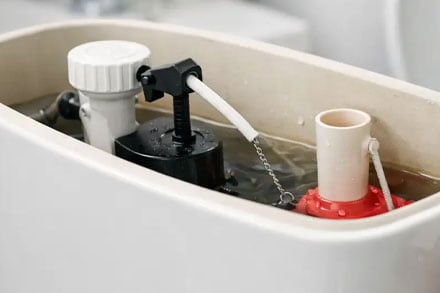
If your toilet keeps running, it is usually not just wasted water – it can point to a worn valve, a poor seal, incorrect water level, or a fault that will only get worse with time.
Around Penrith, Western Sydney and the Lower Blue Mountains, we see this all the time in family homes, rentals and commercial bathrooms. Sometimes it is a simple adjustment. Other times, the toilet is warning you that parts inside the cistern are worn out and ready to fail properly. The trick is knowing which is which before you keep paying for it on your water bill.
Why a toilet keeps running
A running toilet usually means water is escaping from the cistern into the bowl when it should not be, or the cistern is struggling to shut off the incoming water supply. Either way, the toilet keeps trying to refill itself.
In most cases, the fault comes back to a few common parts. The inlet valve controls fresh water entering the cistern. The flush valve releases water into the bowl when you flush. The seal sits where it needs to keep water in place between flushes. If any of these parts are out of adjustment, worn, cracked or blocked with debris, the toilet can run constantly or cycle on and off through the day.
A steady hiss often points to water continually entering the cistern. A periodic refill every few minutes can mean water is slowly leaking into the bowl. Both waste water, but the repair approach can be different.
The most common causes inside the cistern
The first common issue is a worn flush valve seal. This rubber seal hardens over time, especially in older toilets or units that have seen a lot of use. When it no longer seals properly, water slips past it into the bowl and the inlet valve keeps refilling the cistern to compensate.
The second is a faulty inlet valve. If the valve does not shut off cleanly, water keeps flowing into the cistern. In some toilets, this excess water then spills into the overflow and runs into the bowl.
The third is the water level being set too high. That can happen after a DIY adjustment, a replacement part that was not fitted correctly, or a float mechanism that is sticking. If the level sits above where it should, the cistern keeps sending excess water away.
Less commonly, the problem can be with poor part compatibility, mineral build-up, hidden cracks in the cistern components, or damage to the buttons and linkage on modern dual flush toilets. Newer toilets are often more water-efficient, but they can also be less forgiving when internal parts are even slightly out of position.
What you can check before calling a plumber
If you are comfortable lifting the cistern lid, there are a few basic checks that can help. First, flush the toilet and watch what happens as the cistern refills. If the water continues flowing after it reaches its normal level, the inlet valve may not be shutting off properly.
Next, look for water running into the bowl without a flush. If you can see a constant trickle or movement in the bowl, the flush valve seal may be leaking. A simple test is to wait until the toilet has stopped making noise, then add a few drops of food colouring to the cistern water. If colour appears in the bowl without flushing, water is leaking past the seal.
You can also check whether the float is catching on the cistern wall or whether the water level is clearly too high. Some toilets have a straightforward adjustment. Others do not. Don’t make the problem worse by forcing a setting or bending parts that were not designed to be bent.
If the toilet is old, if parts look corroded, or if the cistern is built into the wall, it is usually better to call the professionals.
When a toilet keeps running, when is it urgent?
Not every running toilet is a midnight emergency, but it should not be ignored. A slow leak can waste a surprising amount of water over days or weeks. For landlords and property managers, that can mean avoidable costs and tenant complaints. For businesses, it can create a poor impression in customer or staff amenities.
It becomes more urgent if the toilet is overflowing internally, if water is leaking onto the floor, if the isolation tap will not shut off, or if the property has only one toilet and it is not functioning properly. In those cases, we offer a same day service because you need convenience, hygiene and a quick fix.
Repair or replace?
That depends on the age of the toilet, the condition of the cistern and the availability of suitable parts. Many running toilets can be repaired on the spot by replacing a seal, inlet valve or flush valve assembly. That is often the most cost-effective option, particularly when the toilet pan and cistern are otherwise in good condition.
But there are times when replacement makes more sense. Older toilets may have multiple worn components, outdated flushing systems or parts that are no longer readily available.
Shipways can explain all options clearly so you can decide based on budget, urgency and the condition of the fixture.
Why DIY fixes do not always hold up
There is nothing wrong with checking the obvious. The problem starts when online advice makes every toilet sound identical. They are not. Caroma, concealed cisterns, dual flush systems and older-style setups all behave differently, and the wrong replacement part can create a new problem even if it seems to fit.
We also see plenty of toilets where the original issue was minor, but the cistern lid got cracked, the flush button mechanism was forced, or the shut-off valve was damaged during a DIY fix. That usually means a more expensive visit than if the fault had been dealt with properly from the start.
Shipways licensed plumbers can identify whether the issue is the seal, valve, adjustment, overflow, pressure problem or part compatibility. More importantly, the repair is done to last rather than just quiet the noise for a day or two.
Don’t let a running toilet drag on
A toilet that keeps running is easy to put in “I’ll deal with it later” basket because it still sort of works. The trouble is, wasted water, worn parts and hidden faults do not fix themselves. If the sound has become familiar, that is your sign to get it sorted before it turns into a bigger repair, a higher bill or an out-of-hours problem at the worst possible time.
If you are unsure whether it is a small adjustment or a failing valve, the easiest thing to do is give Shipways a call, have it checked properly and get it fixed professionally.
For all leaking toilet repairs in Penrith, Western Sydney and the Lower Blue Mountains., call Shipways Plumbing today on 0410 638 342 or fill out our online contact form to book a call out! Our team is ready to help.