
7 Signs of a blocked sewer drain
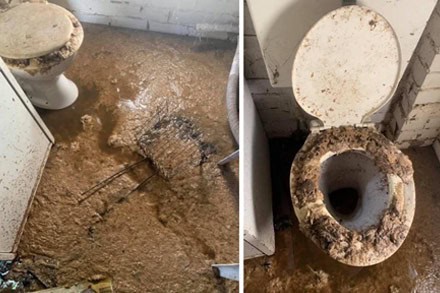
A blocked sewer drain can cause significant problems for homeowners, from unpleasant odours, potential damage to your property or health risks. Identifying the early warning signs of a blockage can save you from expensive repairs and an inconvenient plumbing emergency.
Blocked sewer drain – Here are 7 key indicators that it might be clogged.
- Slow draining water: One of the most common indicators of a sewer drain blockage is water draining slower than usual from your toilets, sinks, bathtubs, or showers. If a single drain is slow, the problem might be isolated to that specific drain. However, if multiple drains are sluggish at once, this is a red flag for a potential sewer line issue.
- Gurgling sounds from drains: If you notice a gurgling noise coming from your toilet or drains after using water in another part of your home (e.g., after running the washing machine), it can signal a blockage. This noise happens when air bubbles are trapped in the plumbing system and are forced to escape through the water.
- Sewage backup: One of the most alarming signs of a blocked sewer drain is the backup of sewage into your home. This can manifest as wastewater coming back up through your drains, toilets, or floor drains. Not only is this a major health hazard, but it can also cause severe damage to your property. Your drainage system should have an overflow relief gully installed within your drainage system. This drain is designed to allow the sewerage overflow to overflow outside. This does not always protect your home, unfortunately. It will depend on where the blockage is within the system and depends on if it has been installed correctly.
- Unpleasant odours: A blocked sewer drain can prevent wastewater from flowing freely, which may cause foul-smelling gases to escape from your drains. If you detect persistent, unpleasant odours coming from your sinks, showers, or floor drains, it could be an indicator of a blockage in the main sewer line.
- Water pooling around floor drains: If water starts to pool around floor drains or bubbling up through your kitchen or basin drain it’s a clear sign that your main sewer line may be obstructed. Water buildup in these areas often occurs when the drain system is blocked.
- Multiple plumbing fixtures affected: When multiple fixtures in your home (e.g., the toilet, shower, and kitchen sink) experience drainage issues simultaneously, this suggests a more extensive blockage in the sewer line.
- Lush green patches in your grass: While it may seem unrelated, patches of unusually green grass in your yard can be an external sign of a sewer line blockage. If a sewer pipe has cracked or is blocked, wastewater can seep into your lawn area, providing extra nutrients to the grass and causing it to grow more rapidly in those areas.
What causes drains to block up
There are several reasons for drains to become blocked, by understanding the common causes of blockages it can help prevent them. Some of the leading causes include
- Tree roots from nearby trees can invade sewer lines in search of moisture, eventually causing blockages.
- Grease build-up: Pouring grease down the drain may seem harmless, but over time, it hardens and clogs pipes.
- Foreign objects: Items like sanitary products, baby wipes, or toys can cause a blockage if they end up in the sewer line.
- Pipe deterioration: Older homes may have pipes that degrade over time, leading to collapses or blockages.
What to Do if You Suspect a Blocked Sewer Drain
If you notice any of these warning signs, it’s essential to act quickly:
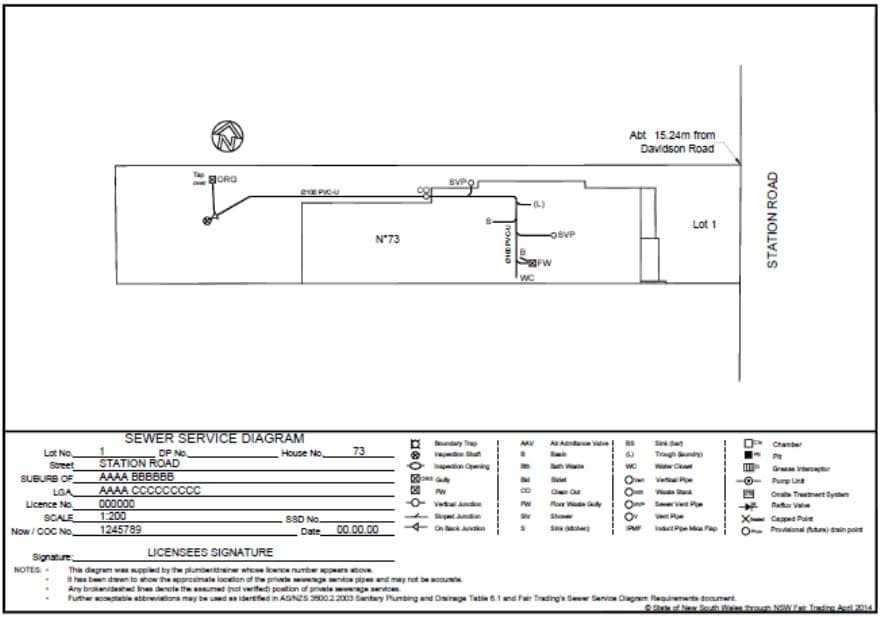
- Stop using water: Avoid using water in your home to prevent a backup from worsening. If the homeowner has the sewer service diagram this may aid in identifying the design of the drainage system.
- Inspect your plumbing: Check for slow drains, gurgling sounds, or backups in different areas of your home. As a homeowner there are a few tricks you can try clearing the drain before you call your professional plumber.
You can purchase a plunger from your local Bunnings store or Reece store. This sometimes can help clear a minor blockage in your sink or toilet drain. If you have a wet and dry vacuum cleaner you may be able to suck the object out of the toilet pan or floor waste. Generally, it is advised not to push anything down the drain like a hose as this can be a trap for the DIY. There is a high chance this can become lodged in the drain which will make a plumber’s job twice a hard to resolve the issue. - Call a professional plumber: Sewer drain issues require professional diagnosis and repair. It is always helpful to the plumber on site to have the sewer service diagram. This is a floor plan of your house showing where and how your drainage system has been installed. This will help the plumber identify where the blockage may be and which drain they will gain access to start the process of clearing the issue.
A plumber will have the experience and the expert tooling such as, Rigid electric eel, water jetter and drain camera equipment to locate and fix the blockage effectively.
A leaking tap can be caused by several common issues:
- Worn out washer or O-ring: The most common reason for a leaking tap is a worn-out washer or O-ring inside the faucet. Over time, these components can deteriorate due to constant use and water pressure, leading to leaks.
- Loose or damaged valve seat: The valve seat connects the faucet and the spout. If it becomes loose or corroded, water may leak from around the spout.
- Cartridge issues: For taps with cartridge-style mechanisms, a damaged or worn-out cartridge can result in leaks. Replacing the cartridge may be necessary.
- High water pressure: If your home’s water pressure is too high, it could cause a tap to leak, especially when it’s turned off.
- Improper installation: If the tap was installed incorrectly, it might develop leaks over time. Poor alignment of internal components or improper seals can lead to drips.
This is an example of a sewer service diagram
If you need assistance with your a blocked sewer drain, call 0410 638 342 today!