
Rheem Hot Water System Review for Penrith Homes
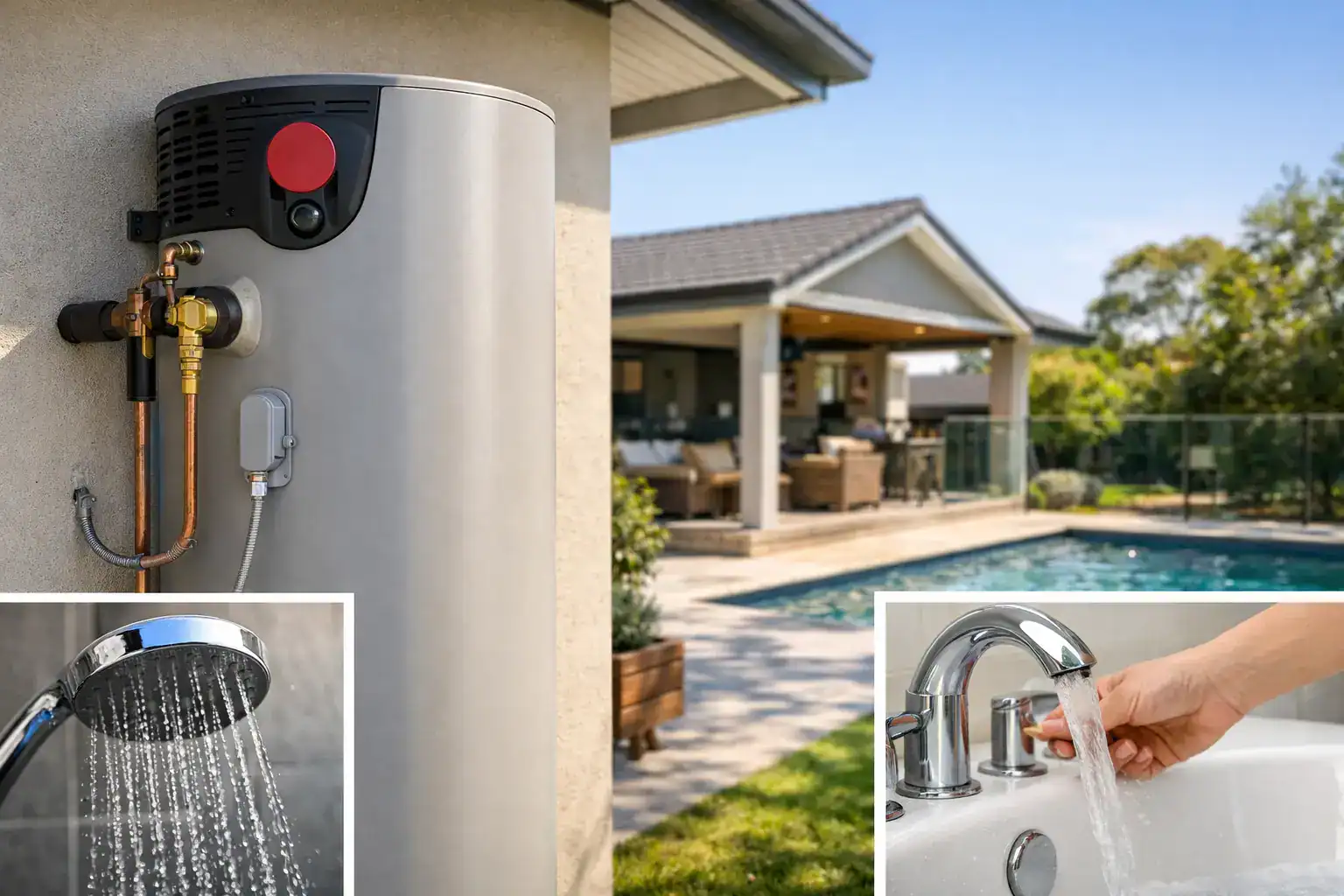
This Rheem hot water system review looks at what makes Rheem a common brand choice for homes, rentals and small commercial properties around Penrith, Western Sydney and the Lower Blue Mountains – and where another option may suit better.
Rheem has been a familiar name in Australian hot water for decades. Australian made is important when you need a repair, replacement part or a like-for-like upgrade without waiting weeks. Still, brand recognition alone should not decide the job. The right system depends on your household size, available energy source, water use, installation location and budget.
Rheem Hot Water System Review: The Short Answer
Rheem systems are very dependable, practical option for Australian properties. The range is broad, covering electric storage, gas storage, continuous flow gas, solar and heat pump models. That gives homeowners flexibility when replacing an older unit or changing to a more energy-efficient setup.
The main advantage is choice. A family in a four-bedroom Penrith home may need a very different solution from a tenant in a small unit, a landlord replacing a failed system quickly, or a business needing reliable hot water for staff amenities. Rheem has options for each situation, but the best model is not always the biggest tank or the newest technology.
A properly sized, professionally installed system is far more valuable than a unit that does not suit the property. Before recommending a replacement, our licensed plumbers can assess the existing system, hot water demand, water pressure, available gas or electrical supply, drainage and access.
The Rheem Options Worth Comparing
Electric storage hot water
Electric storage systems remain a straightforward choice where gas is not available or where an existing electric unit can be replaced with minimal alteration. Rheem electric systems are familiar to many property owners because they are simple, widely used and available in several tank sizes.
The trade-off is running cost. Electric storage can be more expensive to run than other options depending on your tariff, household usage and whether the system is connected to off-peak power. It can still make good sense for smaller households, units, properties with limited installation choices, or urgent replacements where keeping the job simple controls the upfront cost.
Tank size is critical. An undersized unit can leave the last person in the household with lukewarm water. An oversized one uses more space and may cost more than necessary to heat.
Gas storage hot water
Rheem gas storage units are a reliable fit for many family homes with an existing gas connection. They store heated water ready for use and generally recover faster than standard electric storage units. For busy homes with morning showers, washing and kitchen use happening close together, that recovery rate can be useful.
The downside is that the tank still takes up room and will eventually reach the end of its service life. Installation also needs to meet gas, ventilation, flue and safety requirements.
Continuous flow gas hot water
Continuous flow units heat water as you use it rather than holding it in a storage tank. This saves space and means you are not limited by the amount of hot water in a cylinder. It is a strong option for homes where several people shower at different times, as long as the unit is correctly sized for the number of outlets likely to run at once.
A unit that is too small may struggle when two showers, a washing machine and a kitchen tap are operating together. Incoming water temperature also affects performance. In colder weather around the Lower Blue Mountains, a system can need to work harder than it would in warmer areas.
Continuous flow gas units can be an excellent upgrade, but installation may require changes to gas pipe sizing, water pipework, electrical supply and the mounting location.
Heat pump and solar systems
For households focused on reducing energy use, Rheem heat pump and solar options are worth serious consideration. A heat pump uses heat from the surrounding air to warm water, while solar systems use roof-mounted collectors. Both can reduce hot water energy costs in suitable conditions.
They also need more planning than a standard storage replacement. Heat pumps create some operating noise, need suitable airflow and may not suit every tight side passage or bedroom-adjacent location. Solar systems need adequate roof space, suitable orientation and sound roof access. Upfront costs can be higher too, even where rebates or incentives may apply.
For an owner-occupier planning to stay in the home, the long-term savings may justify the investment. For a rental property requiring a fast, affordable replacement, a conventional electric or gas system may be the more practical choice.
What Rheem Does Well
Rheem’s biggest strength is that it offers familiar, serviceable systems across several fuel types and price points. That makes it easier to match a system to the job rather than forcing every property into one solution.
Replacement parts and qualified technicians are also generally easier to find for widely installed brands. This is important when a tempering valve fails, a pressure relief valve starts discharging, a pilot issue develops on an older gas unit, or a system needs prompt attention before a weekend or tenant handover.
Rheem units are not maintenance-free, though. Like all hot water systems, they benefit from proper installation, correct valve setup and occasional checks for leaks, corrosion, unusual noises and poor temperature performance. Hard water conditions, installation exposure and lack of maintenance can shorten the life of any brand.
The Things to Check Before You Buy
Do not choose a new Rheem system based only on the capacity label or a neighbour’s recommendation. Start with how your property actually uses hot water. A household of five with back-to-back showers has different needs from two adults who are out most of the day.
Consider these practical questions before approving a quote:
- How many people live or work at the property, and how often are showers used at the same time?
- Is there an existing gas connection, adequate electrical supply or suitable space for a heat pump or solar system?
- Is the current unit failing because of age, or is there a repairable issue with valves, pipework or controls?
- Will the installation location allow safe access, correct drainage and compliant relief valve discharge?
- Are you trying to minimise upfront cost, reduce ongoing bills, or both?
These answers help avoid the common mistake of replacing like-for-like when the household’s needs have changed. A growing family, renovated bathroom, added ensuite or converted garage can quickly turn an adequate old system into an undersized one. Either way, Shipways can help you make the right choice.
When a Rheem System May Not Be the Best Fit
A Rheem system is not automatically the right answer for every property. If you have limited external space, an unusual installation layout, very high simultaneous demand or a specific efficiency target, another system type or brand may provide a better result.
For example, a compact continuous flow unit may suit a small townhouse better than a large storage tank. A heat pump from a different range may offer features that better suit a particular location. In commercial settings, the demand profile matters even more. A café, salon, workshop or office amenities area needs a system selected around actual usage, not domestic assumptions.
Shipways honest approach is to compare compatible options, explain the cost difference clearly and recommend the system that makes sense for the property. A good installation should provide safe, reliable hot water without creating new access, noise, pressure or running-cost problems.
Repair or Replace Your Existing Rheem Unit?
Shipways Plumbing can inspect the issue, explain the practical options and carry out compliant hot water repairs or replacements across Penrith and surrounding areas. If you have no hot water, a leaking tank or a gas hot water fault, arranging prompt professional help can prevent property damage and get the household back to normal sooner.
If you are interested in a servicing or replacing a Rheem system in Penrith, get in touch with Shipways Plumbing Penrith. Call us today on 0410 638 342 or fill out our online contact form to book a call out! Our team is ready to help.