
Pipe Relining: See How Damaged Pipes Are Repaired
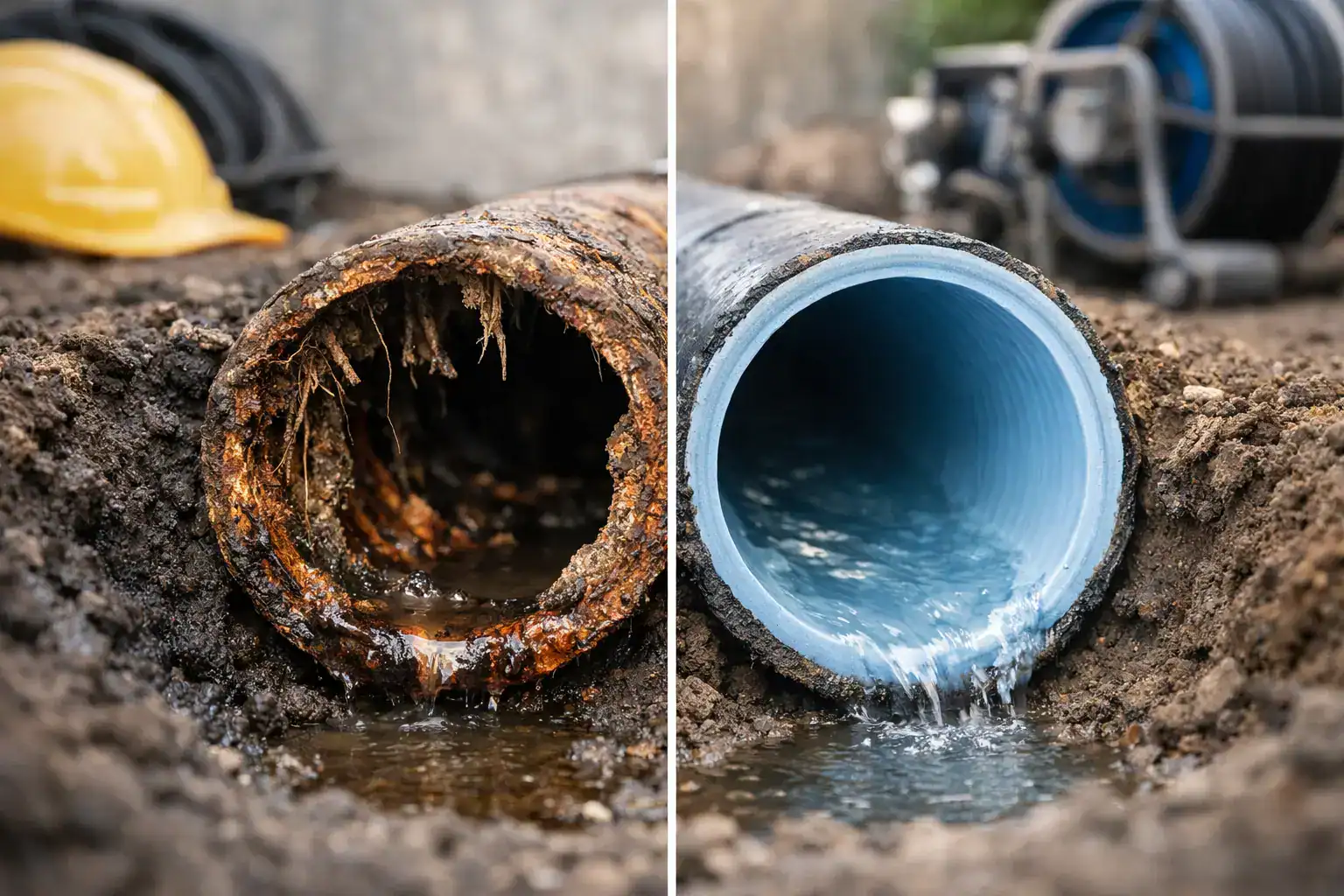
What does a damaged drain pipe actually look like before pipe relining, and what does it look like afterwards?
While pipe relining is often described as a no-dig way to repair damaged pipes, the real difference can be seen inside the pipe itself. A CCTV drain inspection allows a plumber to identify cracks, tree root intrusion, damaged joints, corrosion and other problems before the repair. After the liner has been installed and cured, another inspection can show the condition of the repaired section.
This before-and-after comparison is one of the best ways to understand what pipe relining actually achieves.
What Does a Damaged Pipe Look Like Before Relining?
Underground drainage pipes can deteriorate for years without being visible from the surface. You may simply notice recurring blockages, slow drainage, unpleasant smells or water backing up.
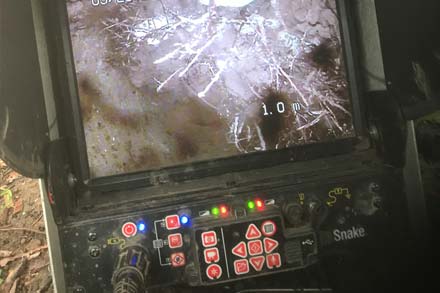 A CCTV drain inspection can reveal what is happening inside the pipe. Depending on the age, material and condition of the drainage system, the camera may show:
- Cracks and fractures in the pipe wall
- Tree roots entering through joints or damaged sections
- Displaced or separated joints
- Corrosion and deterioration of older pipework
- Holes or damaged sections allowing water to escape
- Scale, debris or built-up deposits restricting the internal diameter
- Repeatedly blocked sections that continue to cause drainage problems
Seeing the actual condition of the pipe is important because a blockage does not necessarily mean the pipe itself is the problem. Clearing the blockage may restore flow temporarily, but if the underlying pipe is cracked or allowing roots to enter, the problem can return.
Before Pipe Relining: Inspecting the Damaged Pipe
Pipe relining should not be recommended simply because a drain is blocked. The first step is to establish what is actually wrong.
A CCTV camera can be passed through the drainage pipe to identify the location and extent of the damage. This helps determine whether the pipe is suitable for relining and whether a localised patch repair or a longer section of relining is more appropriate.
The pipe also needs to be properly prepared. Existing roots, scale, debris and other material need to be removed so the liner can be installed correctly against the inside of the existing pipe.
This is why a professional pipe relining job starts with investigation rather than simply inserting a liner and hoping for the best.
How Does Pipe Relining Repair the Damaged Pipe?
Pipe relining repairs the existing pipe from the inside. Rather than excavating the entire damaged section, the relining material is installed through an existing access point where possible.
The general process involves:
- CCTV inspection to identify the problem and locate the damaged section.
- Cleaning the pipe using appropriate equipment to remove roots, deposits and debris.
- Preparing the liner to suit the size and length of the damaged section.
- Installing the liner inside the existing pipe.
- Curing the liner so it forms a strong new internal pipe within the old one.
- Final CCTV inspection to check the completed repair.
The exact installation and curing method depends on the pipe, the type of damage, access and the relining system being used.
What Does the Pipe Look Like After Relining?
This is where the before-and-after comparison becomes particularly useful.
Instead of seeing the original cracks, open joints or areas where roots have entered the pipe, the post-repair CCTV footage should show the newly installed liner forming a continuous internal surface through the repaired section.
The finished result should be checked to make sure the liner is properly positioned and that drainage connections have been correctly reinstated where required.
A final CCTV inspection provides visual evidence of the condition of the pipe after the work has been completed. It is much more useful than simply being told that the repair has been finished.
Does Pipe Relining Fix Every Damaged Pipe?
No. Pipe relining is an effective repair option for many damaged drainage pipes, but it is not suitable for every situation.
The condition of the existing pipe needs to be assessed first. A severely collapsed section, for example, may require excavation and conventional pipe replacement rather than relining. Access, pipe condition, diameter, configuration and the extent of the damage can also affect which repair method is appropriate.
This is why a CCTV inspection is so important. The correct repair should be based on what is actually happening inside the pipe rather than assuming every damaged drain needs the same solution.
Pipe Relining vs Pipe Replacement
Traditional pipe replacement generally involves excavating to expose the damaged pipe, removing it and installing new pipework. Depending on where the pipe is located, this can involve disturbing gardens, paving, driveways, concrete or other surfaces.
Pipe relining takes a different approach by repairing the existing pipe from the inside. Where the pipe is suitable and access allows, this can significantly reduce excavation and disruption.
However, relining is not automatically better than replacement. An experienced plumber should assess the condition of the existing pipe and explain which option is appropriate for the particular problem.
CCTV inspection Before and After
A CCTV inspection gives you something that a visual inspection from above ground cannot: a view inside the drainage system.
The initial footage helps establish:
- Where the problem is located
- What caused the damage
- How extensive the damage is
- Whether the pipe is suitable for relining
- Which section needs to be repaired
The final inspection provides an opportunity to check the completed repair and confirm that the liner has been installed correctly.
For this reason, genuine before-and-after CCTV footage can be much more informative than simply showing a photograph of relining equipment on a job site.
Professional Pipe Relining in Penrith and Western Sydney
If you have recurring drain blockages, tree root problems, damaged pipes or drainage issues that keep coming back, there may be a problem inside the pipe that cannot be identified from the surface.
At Shipways Effective Plumbing, we use CCTV drain inspections to investigate drainage problems and determine whether pipe relining, patch repair, cleaning or conventional pipe replacement is the right solution.
We provide pipe relining and drain repair services throughout Penrith and surrounding Western Sydney and Lower Blue Mountains areas. Our team has more than 25 years of plumbing experience and holds drain relining and patching certification.
Rather than guessing what is happening underground, we can inspect the pipe, identify the problem and explain the available repair options.
Need to find out what is happening inside your drain? Contact Shipways Effective Plumbing. Call us today on 0410 638 342 or fill out our online contact form to book a service! Our team is ready to help.
Pipe Relining FAQs
What does a pipe look like before relining?
A damaged pipe may show cracks, tree roots, open or displaced joints, corrosion, holes, scale or other deterioration. A CCTV drain camera can show the actual condition of the pipe.
What does a pipe look like after relining?
After relining, the CCTV inspection should show the newly installed liner forming a continuous internal surface through the repaired section. The final inspection also helps confirm that the liner has been correctly installed.
Can pipe relining stop tree roots from entering a drain?
Where tree roots have entered through cracks or joints, relining can seal the affected section and remove the openings that allowed the roots to enter. The existing roots and debris need to be properly cleared before the liner is installed.
Does pipe relining require digging?
Pipe relining is designed to repair suitable damaged pipes from inside the existing pipe, which can greatly reduce the need for excavation. However, access requirements and the condition of the pipe can vary from one property to another.
Is pipe relining better than replacing a pipe?
Not in every situation. Relining can be an excellent option where the existing pipe is suitable for rehabilitation, particularly where excavation would cause significant disruption. Severely collapsed or unsuitable pipework may require replacement. A CCTV inspection can help determine the appropriate solution.
How do I know if my drain needs relining?
Recurring blockages, tree root intrusion, leaking or cracked drainage pipes and repeated drainage problems can indicate that the pipe itself needs repair. A CCTV inspection is the best way to investigate the condition of the pipe and determine whether relining is suitable.