
Overflowing Toilet? What to Do and How to Stop It
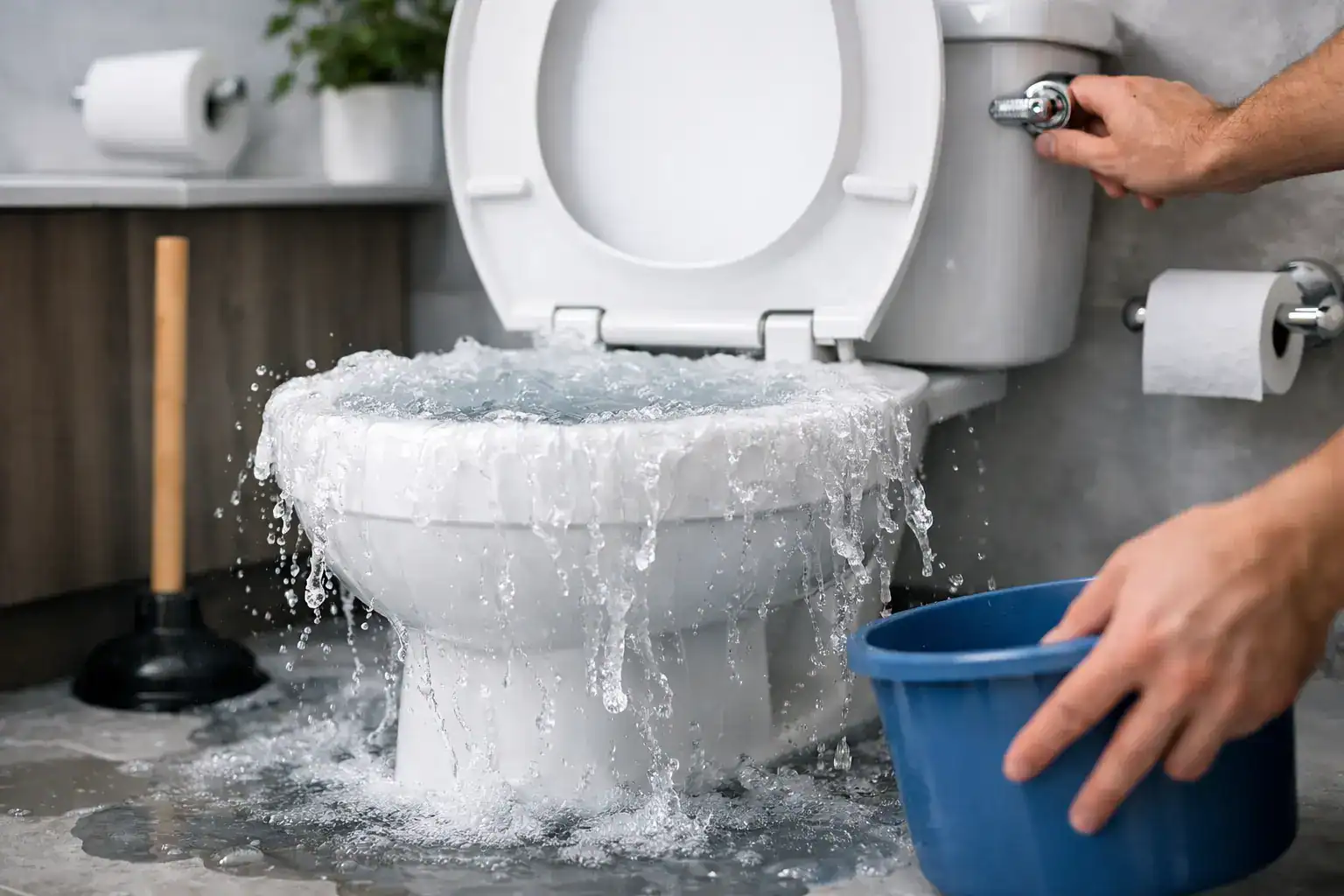
Water climbing towards the rim is one of those plumbing moments where every second counts. If you need to know how to stop overflowing toilet trouble fast, the first priority is simple – stop more water entering the bowl, contain any spill, and work out whether it is a minor blockage or a bigger drain problem that needs a plumber now.
An overflowing toilet can damage flooring, spread contaminated water, and turn a small blockage into a much more expensive clean-up.
How to stop overflowing toilet water immediately
If the bowl is filling and close to spilling over, do not flush again. A second flush will only make things worse.
Take the lid off the cistern and push the flapper down if it is still open. That stops more water from rushing into the bowl. Then turn off the water supply at the isolation valve behind or beside the toilet. Turn it clockwise until it stops. If the water level is still high, remove some water from the bowl with a bucket or container so it does not go over the edge.
If you cannot get the valve to move, do not force it hard enough to break it. Older shut-off valves can seize, and a snapped valve creates a much bigger problem. In that case, lifting the cistern lid and stopping the fill mechanism manually can buy you time while you call a plumber.
Once the water has stopped rising, put towels down around the base. Wear gloves if there has been overflow onto the floor, because toilet water is not something you want on your hands or tracked through the house.
What usually causes an overflowing toilet
Most overflows happen for one of two reasons. The first is a blockage in the toilet trap or pan. Too much toilet paper, wipes, paper towel, sanitary items, kids’ toys, or other foreign objects can stop water from passing through properly.
The second is a blockage further down the drain line. This is where things get more serious. If the toilet backs up and you also notice slow sinks, gurgling drains, or wastewater problems elsewhere on the property, the issue may be in the main sewer line rather than the toilet itself.
A simple pan blockage may be sorted on the spot. A sewer pipe blockage often needs proper drain clearing equipment and a licensed plumber who can find the cause and clear it thoroughly.
Before you try to clear it, check the warning signs
A basic blockage can often be recognised by what happened just before the overflow. If someone used too much toilet paper and the bowl rose straight away, it is often localised to the toilet.
If the toilet has been slow for days, bubbles when other fixtures are used, or overflows without much in the bowl at all, that points to a broader drainage issue. Tree roots, collapsed pipes, grease build-up, or years of debris in the line are common causes in older parts of Western Sydney.
If sewage is coming up into showers, floor wastes, or other toilets, stop there and get professional help. That is not a plunger job.
Can you fix it yourself?
Sometimes, yes. If the overflow was caused by excess toilet paper or a minor blockage, a plunger or a toilet auger can often clear it. A proper toilet plunger creates a seal and pushes pressure into the trap where it is needed. After the water level drops a little, position the plunger and use steady, controlled plunges. Do not jab wildly. You want pressure and suction, not splash-back.
If the water drains away after plunging, wait a minute and test with a small amount of water first, not a full flush. If it clears normally, you may have solved it.
A toilet auger can also help with blockages lodged further inside the pan. It is a better option than improvised tools because it is designed to pass through the toilet without damaging the porcelain. If you do not know how to use one, be careful. Scratched pans and forced obstructions are common after DIY attempts.
What not to do when the toilet is overflowing
- Do not keep flushing to see if it will clear itself. It usually will not.
- Do not pour harsh chemical drain cleaners into the toilet. They are often ineffective on toilet blockages, can damage components, and make the area more dangerous for anyone who has to work on it later.
- Do not use coat hangers, sticks, or random metal rods to poke around in the pan. That can crack the toilet, scratch the trap, or push the blockage deeper into the line.
- And do not ignore repeated overflows. If it has happened more than once, there is likely an underlying issue that needs proper diagnosis.
When to call a plumber straight away
Call a licensed plumber immediately if the toilet keeps refilling, multiple drains are affected, sewage has overflowed onto flooring, the blockage returns after plunging, or the toilet is in a commercial premises where downtime is a real problem. The same applies if you have elderly family members, tenants, or customers relying on that bathroom.
Preventing the next toilet overflow
Prevention is usually about simple habits and early action. Only flush toilet paper and human waste. Wipes labelled flushable still cause plenty of blockages. Paper towel, cotton products, nappies, sanitary items, and kids’ toys have no place in the toilet.
If the toilet starts draining slowly, gurgling, or needing more than one flush, act early. Those are warning signs. A blockage is much easier and cheaper to sort out than a full overflow into the bathroom.
For properties with older drains or a history of sewer issues, occasional professional inspection can save a lot of trouble. This is especially true where tree roots are common or where the drainage system has not been assessed in years.
If you are dealing with an overflow right now
Turn off the water, avoid another flush, and contain the spill as best you can. If a plunger clears it, test carefully. If it does not, or if anything about the situation suggests a wider drainage problem, call Shipways plumbing in straight away.
Shipways Plumbing handles these urgent call-outs with the kind of practical approach people actually need – quick attendance, honest pricing, and repairs that aim to fix the cause, not just the symptom.
For reliable plumbing and toilet overflow expertise in Penrith, trust Shipways Plumbing. Call us today on 0410 638 342 or fill out our online contact form to book a call out! Our team is ready to help.