
How to Stop a Pipe Leak Before It Spreads
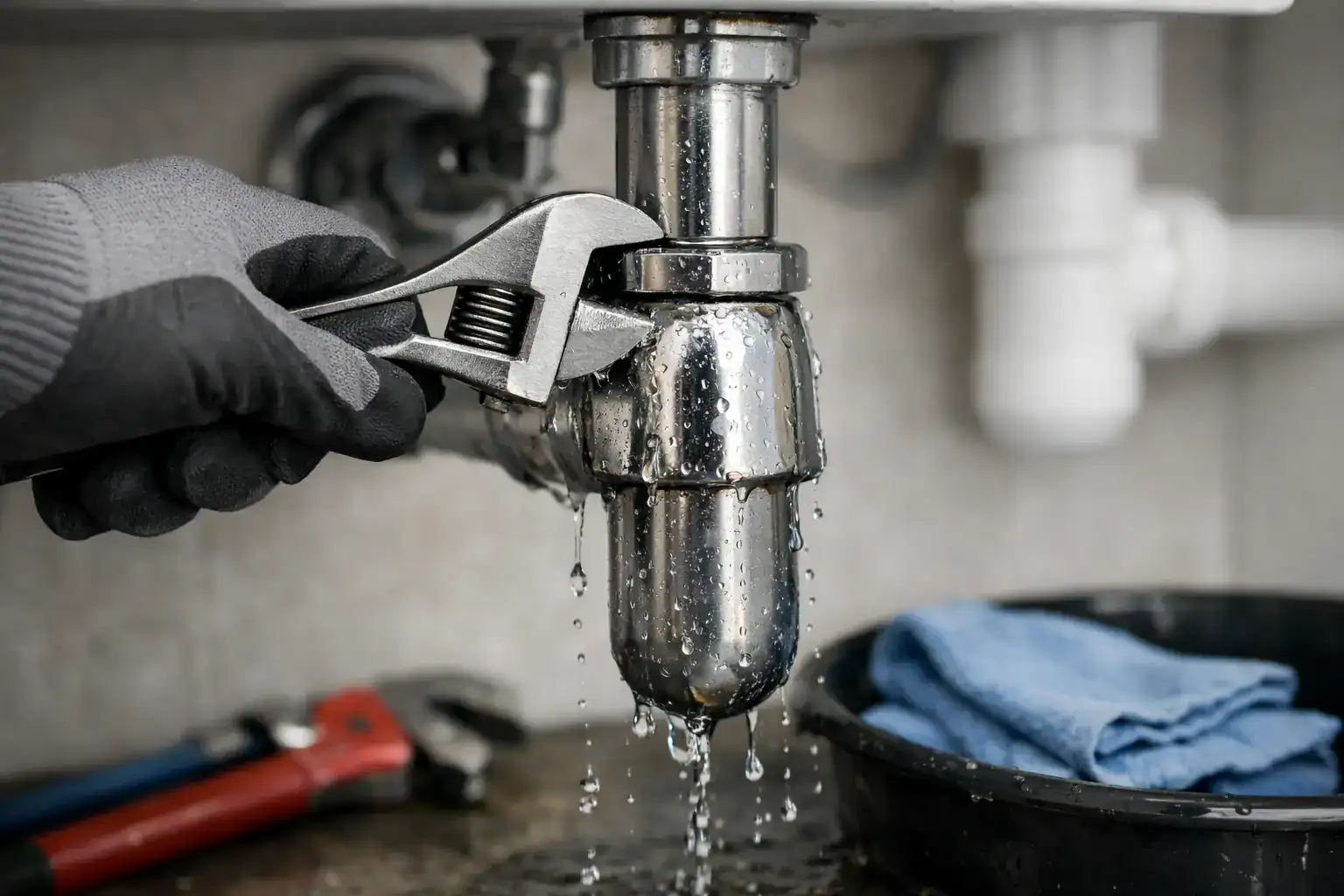
A small drip under the laundry sink can turn into soaked cabinetry, damaged flooring and mould far quicker than most people expect. Knowing how to stop a pipe leak in the first few minutes can protect your property, but a temporary fix is not the same as a proper repair. If water is running, act quickly, stay safe and arrange a licensed plumber before the damage grows.
First, make the area safe
Do not reach into a puddle if there are power points, appliances, extension leads or electrical wiring nearby. If it is safe to do so, switch off power to the affected area at the switchboard. Keep children, pets and customers away from wet floors, especially in kitchens, bathrooms, laundries and commercial walkways where slips are likely.
Move furniture, rugs, stock and electrical items out of harm’s way. Put down towels, buckets or a plastic tub to catch water, but do not let mopping distract you from stopping the supply. The faster you isolate the water, the less chance there is of water getting into walls, cupboards, flooring or ceilings.
If a ceiling is bulging or water is coming through light fittings, treat it as urgent. Leave the room, isolate power if it is safe, and call for emergency plumbing help. A water-loaded ceiling can collapse without much warning.
How to stop a pipe leak at the water source
For a leaking tap, toilet, dishwasher, washing machine or under-sink pipe, look first for the local isolation valve. It is usually a small tap or lever on the water line supplying that fixture. Turn it clockwise until it stops. Do not force an old valve if it is seized, as this can create a bigger leak.
If the leak is from a visible pipe, you cannot find the local valve, or water is flowing heavily, turn off the property’s main water supply. In many Penrith homes, the water meter and shut-off valve are near the front boundary, often in a meter box close to the footpath. In strata properties, units and commercial premises, the shut-off point can be different, so property managers should make sure staff and tenants know where it is before an emergency occurs.
Once the water is off, open a cold tap at the lowest practical point in the house. This helps release pressure and drains some remaining water from the pipework. If you have a hot water leak, avoid touching pipework around the system until it has cooled. Hot water can cause serious burns, and a leaking relief valve or hot water cylinder may point to a fault that needs more than a simple adjustment.
Do not ignore the cause of the leak
Stopping the water is the immediate priority, but the reason a pipe leaked matters just as much. A loose fitting beneath a basin may be a straightforward repair. A cracked pipe inside a wall, repeated pinhole leaks or a burst section in the yard may indicate corrosion, high water pressure, ground movement, poor previous work or worn pipework reaching the end of its useful life.
In Western Sydney and the Lower Blue Mountains, properties vary widely in age, soil conditions and plumbing layouts. Older homes can have ageing galvanised or copper lines, while newer homes may have plastic pipework and fittings that need a different repair approach. The right answer depends on the pipe material, location and condition, not on which temporary product is easiest to buy.
Shipways can locate the exact fault, repair or replace the damaged section, test the line under pressure and check whether another weakness is likely nearby. Our thorough approach is usually cheaper than repairing water damage twice.
When a pipe leak is an emergency
Call for urgent help rather than waiting for normal business hours if water is running continuously, you cannot isolate the supply, a pipe has burst, or water is reaching electrical areas. The same applies when a leak is affecting a ceiling, shared wall, business premises, hot water systems or neighbouring property.
Landlords and property managers should treat active leaks as a priority. Tenants need clear instructions to turn off the water where possible, contain the flow and report the issue immediately. Delays can increase repair costs, disrupt occupants and create avoidable insurance complications.
For a commercial site, even a modest leak can become costly through damaged stock, unsafe floors, lost trading time or disruption to staff and customers. Fast attendance is particularly valuable when the affected water line supplies toilets, kitchens, amenities or essential equipment.
What not to do with a leaking pipe
A few common reactions make pipe leaks worse. Do not keep turning the water supply on and off to “check” whether tape has worked. Do not cut into a wall, slab or ceiling unless you understand what services may be behind it. And do not tighten fittings aggressively with grips or a wrench, especially on plastic components, as overtightening can split the fitting or distort the pipe.
It is also tempting to leave a slow leak because it seems manageable. That is risky. Moisture inside a cupboard or wall cavity can damage timber, lift flooring and feed mould long before there is obvious pooling. A higher water bill may be the first sign of a concealed leak.
Prevent the next leak
For fast, practical help with burst pipes, hidden leaks or ongoing drips, Shipways Plumbing provides licensed repair options across Penrith, Western Sydney and the Lower Blue Mountains. A prompt repair protects more than the pipe – it protects the parts of your property the water can reach next.