
How to Find a Water Leak at Home
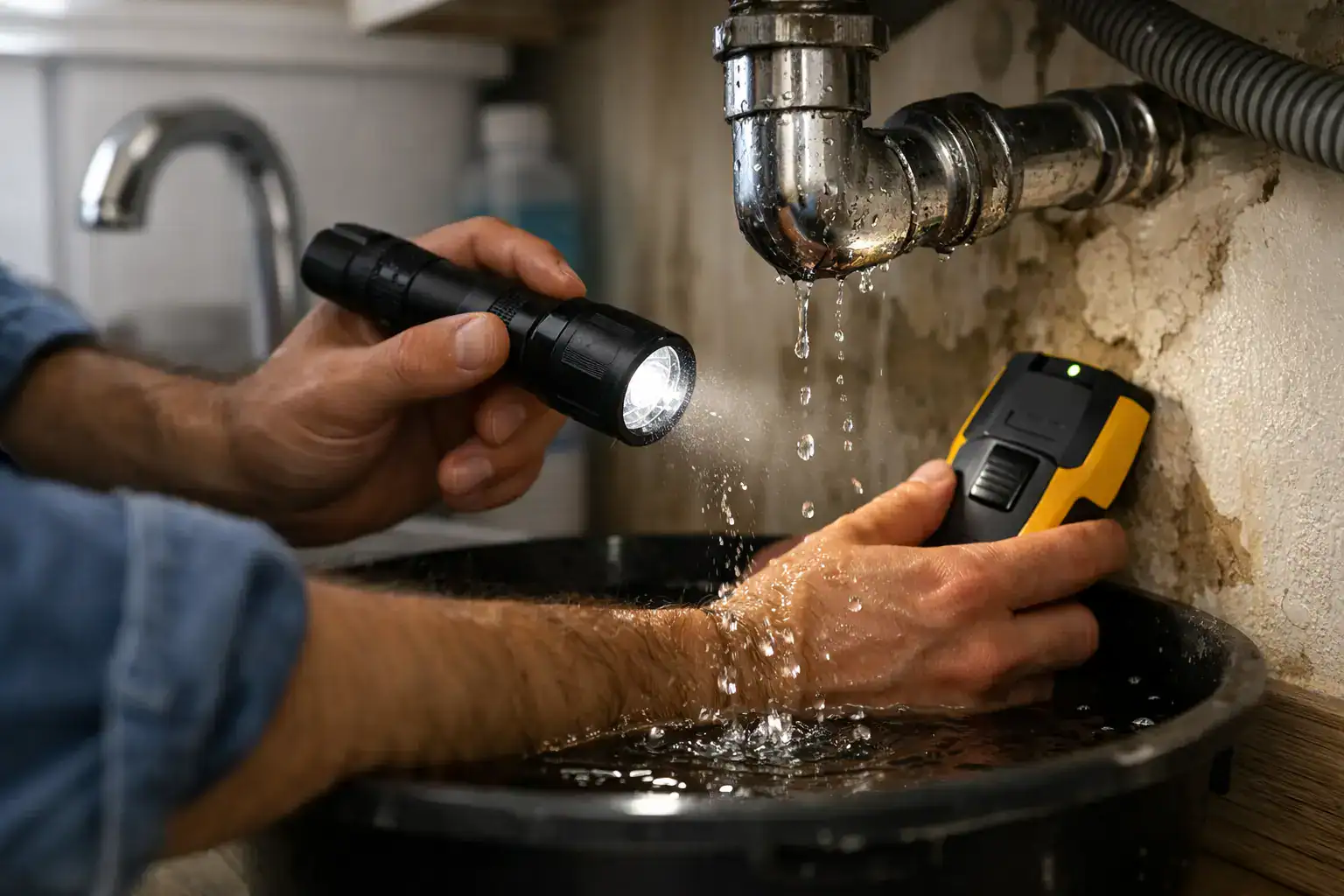
A higher water bill, a damp patch that keeps growing, or the sound of water running when everything is turned off – that is usually when people start asking how to find a water leak. The tricky part is that not every leak is obvious. Some are under the house, behind a wall, in the garden, or tied to a toilet or hot water system that is quietly wasting water day and night.
The sooner you narrow it down, the better. A small leak can turn into damaged cabinetry, stained ceilings, mould, rotting timber, or a much bigger plumbing repair if it is left too long. If you are in Penrith, Western Sydney or the Lower Blue Mountains, give us a call and we can locate the problem. Otherwise here are some tips you can try to isolate a hidden leak. Acting quickly can save a lot of stress and money.
How to find a water leak before it causes bigger damage
Start with the simple checks first. You do not need special gear to pick up the early warning signs, and a few minutes of checking can tell you whether the leak is likely to be inside, outside, visible, or hidden.
A common first sign is an unexplained jump in your water usage. If your habits have not changed but the bill has, that is worth taking seriously. The next clue is sound. If you can hear hissing, dripping, or running water when taps and appliances are off, there is a fair chance water is escaping somewhere it should not.
Then look for physical signs around the property. Damp carpet, bubbling paint, warped skirting boards, musty smells, mould growth, loose tiles, or discoloured plaster can all point to a hidden leak. Outside, soggy ground, unusually green patches of lawn, really long grass, or pooling water near pipes and taps can be just as telling.
Check your water meter first
If you want to know how to find a water leak with the least guesswork, the water meter is the best place to start. It helps confirm whether water is still moving through the system when it should not be.
Turn off all taps, appliances, irrigation, dishwashers, washing machines, and anything else that uses water. Make sure no one in the property is flushing a toilet or using a shower while you test. Then check the meter. If the meter is moving, or the numbers continue to change, you are likely dealing with a leak somewhere on your side of the meter.
If the meter keeps moving, the next step is to work out whether the problem is inside or outside. Shut off the internal water supply to the house if you can. If the meter stops, the leak is probably somewhere in the home. If it keeps moving, the issue may be in the main line, garden plumbing, or another external pipe.
This test is simple, but it is useful. It helps avoid guessing and gives a plumber a better starting point if you need urgent help.
Toilets are one of the most common hidden leaks
A leaking toilet can waste a surprising amount of water without making much noise. It is one of the first fixtures worth checking, especially if everything else seems dry.
Take the lid off the cistern and listen closely. If water is constantly trickling into the bowl, the inlet valve or flush seal may be worn. You can also add a few drops of food colouring to the cistern and wait a few minutes without flushing. If colour appears in the bowl, water is leaking through.
Toilet leaks are easy to overlook because they are not always dramatic. But left alone, they can push bills up and keep the cistern filling around the clock.
Check taps, showers and visible pipework
Not every leak is hidden in a wall. Sometimes the problem is right in front of you, just easy to ignore because it started small.
Check under sinks, around basin mixers, behind toilets, around flexi hoses, and beneath laundry tubs. Look for corrosion, mineral staining, moisture on the cabinet base, or a slow drip from a fitting. In bathrooms, inspect shower heads, shower mixers, and the base of the shower for signs of constant dripping or water escaping where it should not.
A leaking tap may seem minor, but it can point to worn washers, damaged cartridges, or pressure issues elsewhere in the system.
Don’t overlook the hot water system
Hot water units can leak from valves, fittings, tanks, or connected pipework. Sometimes the water is obvious. Other times it runs to a drain or evaporates before you notice it.
Check around the base of the system for dampness, rust, or staining. Look at the relief valve discharge pipe and see whether it is dripping continuously. Some discharge can be normal depending on the system and temperature, but constant flow is not something to ignore. If the water is hot and the leak is around the unit, turn the system off if it is safe to do so and get it checked promptly.
This matters even more with older storage systems. A tank that has started leaking often needs more than a quick patch-up. The right fix depends on the age, condition, and type of unit, whether it is electric, gas, solar, heat pump, or continuous flow.
Outdoor leaks can be harder to spot
Garden taps, irrigation lines, and underground supply pipes can leak for quite a while before anyone notices. That is why outside checks are worth doing if your meter suggests a leak but the inside of the property looks fine.
Walk the yard and look for muddy areas, soft ground, sunken patches, or spots where grass is greener than the rest. Check hose taps and exposed pipework for drips or splits. If you have irrigation, isolate it and retest the meter. A damaged irrigation line can waste a lot of water without any obvious spray at the surface.
In older parts of Penrith and surrounding suburbs, ground movement, ageing pipe materials, and tree roots can all contribute to underground leaks. That is where the job usually moves beyond a basic visual check.
When the leak is behind a wall or under concrete
If you can hear water but cannot see where it is coming from, or if you have damp walls, lifted flooring, or a warm patch on the slab, it may be a concealed leak. This is where DIY detection starts to become difficult.
Hidden leaks need proper equipment to locate accurately without tearing the place apart. Depending on the situation, that can involve pressure testing, moisture testing, or CCTV inspection. The point is to identify the leak properly before opening walls, cutting concrete, or replacing parts that are not actually at fault.
There is a real trade-off here. Waiting can mean more damage. Guessing can mean unnecessary damage. If the signs suggest a hidden leak, it is usually more cost-effective to have it professionally located early.
When to call a plumber straight away
Some leaks can wait a few hours. Others should not. If water is affecting ceilings, electrical areas, cabinetry, flooring, or a commercial fit-out, it is time to call straight away. The same applies if you have no clear idea where the water is coming from, your meter is moving quickly, or the leak involves a hot water system, burst pipe, or underground main.
Our licensed plumbers can isolate the issue, find the source, and explain the repair options clearly. For local properties, quick attendance matters. The longer water keeps escaping, the more likely it is to spread into walls, floors, or surrounding structures. That is why many home and business owners call in experienced leak detection help as soon as the warning signs appear, rather than waiting for visible damage to get worse.
A practical approach saves money and stress
The best way to handle leak detection is to stay calm and work in order. Start at the meter, rule out toilets and fixtures, check the hot water system, then inspect outside areas if needed. If the signs point to a hidden leak, do not keep guessing.
At that stage, call Shipways, your local plumbing team. We have the right equipment that can save time, unnecessary damage, and repeat repairs. Shipways Plumbing handles leak detection across homes and commercial properties with straightforward advice, clear pricing, and fast local response when it matters.
If something feels off with your plumbing, trust that instinct. A leak rarely fixes itself, and catching it early is usually the cheapest repair you will ever make.