
Heat Pump Versus Gas Hot Water Compared
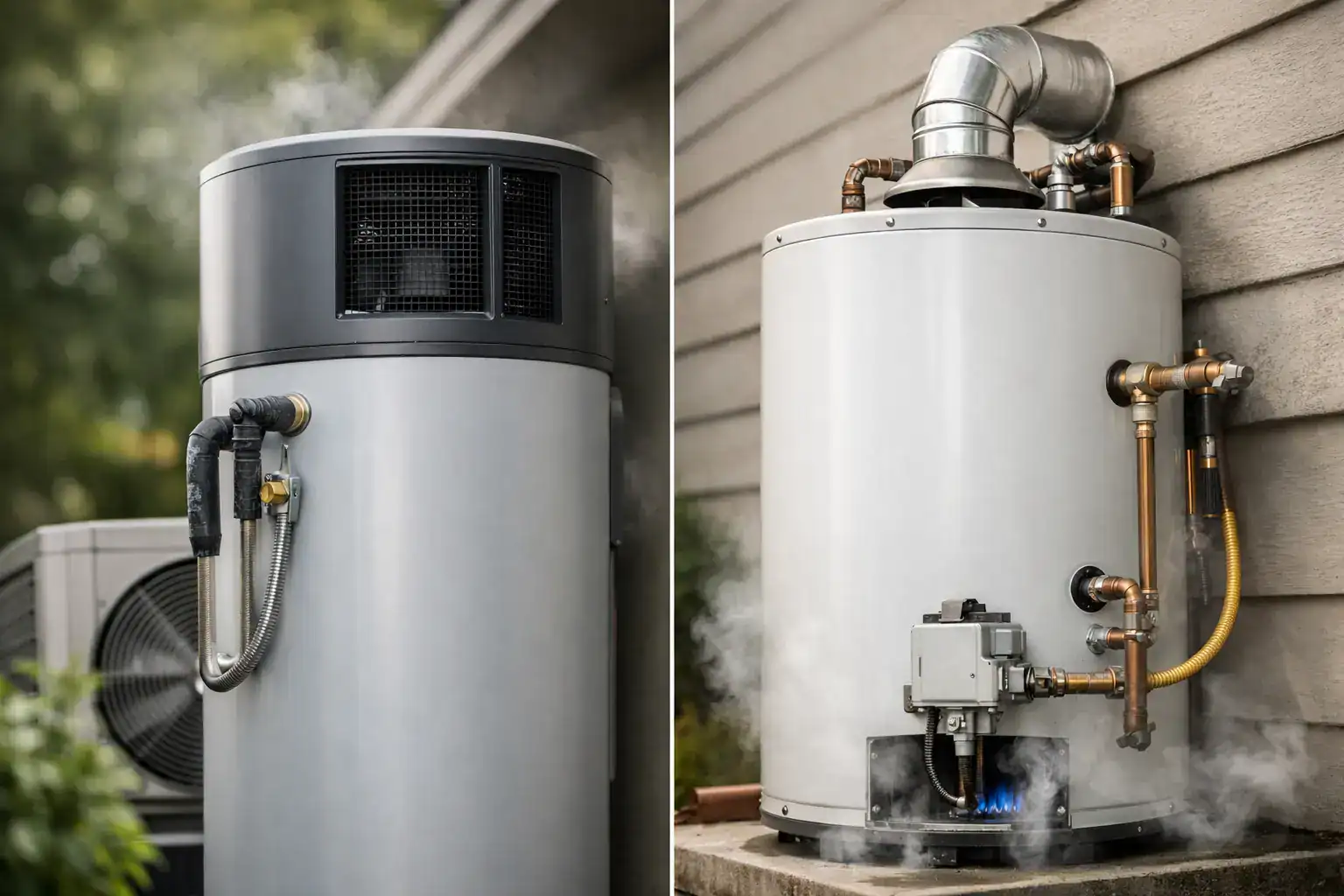
A failed hot water system rarely gives you much time to shop around. When you are weighing up heat pump versus gas hot water, the right answer comes down to your household’s hot water use, available space, existing services and how much you want to spend now versus over the years ahead.
For homes across Penrith, Western Sydney and the Lower Blue Mountains, both options can be a sensible upgrade. The key is choosing a system that works reliably for your property, rather than simply buying the model that looks cheapest on the day.
Heat pump versus gas hot water: the main difference
A heat pump hot water system uses electricity to draw warmth from the surrounding air and transfer it into the water tank. It does not create all that heat directly in the way a standard electric storage unit does. This makes it highly efficient in the right conditions, often using much less electricity than conventional electric hot water.
Gas hot water heats water with gas. It can be installed as a storage tank or as a continuous flow system, which heats water as it passes through the unit. Continuous flow gas units are popular where households want a compact system and a steady supply of hot water without a large tank taking up room.
Neither system is automatically best for every home. A family with solar panels, suitable outdoor space and predictable usage may get excellent value from a heat pump. A busy household with high peak demand, limited outdoor room or an existing gas connection may find gas more practical.
Upfront cost and installation work
The purchase price is only part of the decision. Installation requirements can change the total cost considerably.
Heat pump systems generally cost more upfront than many standard gas replacements. They need a suitable location outdoors, enough airflow around the unit and a safe, compliant electrical connection. Because the compressor and fan sit outside, placement also matters for noise, drainage and access for future servicing.
If your old system is electric and your switchboard, wiring and outdoor space are suitable, installing a heat pump can be straightforward. If electrical upgrades are needed, that needs to be allowed for before work starts. Households should also check whether any current rebates or incentives apply, as eligibility and available amounts can change.
Gas can be the simpler replacement where a gas hot water system and gas connection are already in place. Replacing an old gas storage tank with a new storage unit can often use much of the existing setup, although valves, pipework and safety requirements still need to be checked. Moving to a continuous flow gas system may require changes to gas pipe sizing, water lines, flue clearances or electrical supply.
A proper quote should cover removal of the old unit, installation, required valves, pipework changes, electrical or gas work and commissioning. This is where upfront advice prevents unpleasant surprises after the job has started.
Do not size a new system based on the old one alone
An old unit may have been too small from the beginning, or it may have suited the home before extra family members, a second bathroom or a renovation. System sizing should consider the number of bathrooms, occupants, shower habits, appliances and the times your household uses hot water.
For example, a continuous flow gas system needs enough capacity to run the required outlets at once. A heat pump storage system needs a tank size and recovery time that suit morning showers, evening baths and washing needs. Choosing a system that is marginally undersized often costs more in frustration than a correctly sized unit costs to install.
Running costs: where heat pumps can shine
Heat pumps are usually chosen for lower running costs. Because they move heat rather than generating it all directly from electricity, they can deliver more heat energy than the electrical energy they consume. When paired with rooftop solar, they can be especially attractive, particularly if the system is set to heat water during daylight hours.
That said, savings depend on electricity tariffs, how the unit is controlled, the local weather and how much hot water is used. Heat pumps work in cool weather, but efficiency can reduce as outdoor temperatures drop. This is worth considering for colder parts of the Lower Blue Mountains, particularly homes exposed to overnight frost.
Gas hot water running costs depend on your gas tariff, the system efficiency and whether you use gas for other appliances. Continuous flow units avoid keeping a full tank hot all day, which can reduce standby losses. For households with high hot water demand at irregular times, that on-demand performance can be a real advantage.
There is no honest single answer on which is cheapest to run. A heat pump may offer stronger long-term savings, while gas may suit households that prioritise fast recovery, compact equipment or reliable high-demand performance.
Performance, recovery and daily convenience
A heat pump is a storage system. Once the tank is depleted, it takes time to recover. Most homes avoid this issue by choosing the right tank size, but it matters for large families, short-stay accommodation and properties where several showers run back-to-back.
Some heat pump systems include an electric boost element to assist during high demand or colder conditions. That can help maintain hot water availability, but it may increase electricity use if activated often.
Gas storage units also need recovery time, although their recovery can be quicker depending on the model and setup. Continuous flow gas hot water does not store a tank of heated water, so it can keep supplying hot water while gas and water are available. Its limitation is flow rate: if too many fixtures are used at once, water flow or temperature can drop.
For a home with two bathrooms, a correctly sized gas continuous flow unit can comfortably handle normal simultaneous use. For a larger household with multiple bathrooms and frequent peak demand, the sizing calculation becomes more important. Sometimes a larger unit, multiple units or a different system type is the better call.
Space, noise and location matter
Heat pump systems need more room than a wall-mounted continuous flow gas unit. They are generally installed outside and need clear airflow around them. The fan and compressor also make noise similar to an air conditioning outdoor unit, so positioning near bedroom windows, a neighbour’s boundary or a quiet entertaining area should be considered carefully.
They also produce condensation as they pull warmth from the air. That water needs appropriate drainage so it does not create puddles, damage surfaces or cause complaints around a path or patio.
Gas continuous flow systems are compact and wall mounted, making them useful for smaller homes or tight side access. However, they need compliant clearances from windows, doors, vents and other building features. Gas storage units take more ground space but can be a practical replacement where a tank is already installed.
Reliability and maintenance
Both systems need professional installation and occasional servicing to stay safe and efficient. With a heat pump, the tank, fan, compressor, controls, tempering valve and condensation drain should all be checked as part of sensible maintenance. Keep leaves, dust and stored items away from the airflow area.
For gas hot water, a licensed gas fitter should inspect the appliance, gas connections, burner operation, safety devices and flue requirements where applicable. If you smell gas, hear abnormal operation or have inconsistent hot water, stop treating it as a minor inconvenience and arrange an inspection promptly.
Water quality can also affect any hot water system. Sediment, hard water conditions, ageing valves and corrosion can shorten component life. Shipways will assess the existing pipework and safety valves, not just connect a new unit and leave.
Which option suits your property?
A heat pump is often worth serious consideration if you have room outdoors, want to reduce electricity use, have or plan to install solar, and can choose a tank size that covers your household’s peak demand. It is a long-term efficiency choice, but the higher purchase and installation cost should be factored into the decision.
Gas hot water may be the better fit if your property already has gas available, your household uses a lot of hot water at once, space is tight or you want a compact continuous flow system. It can also be a practical option when replacing a failed gas unit quickly and avoiding wider electrical alterations.
Shipways Plumbing can assess the existing system, hot water demand, available services and installation location before recommending practical options with clear upfront pricing. The best replacement is the one that gives your household dependable hot water without creating a bigger cost or capacity problem later.