
Electric vs Gas Hot Water: What Suits You?
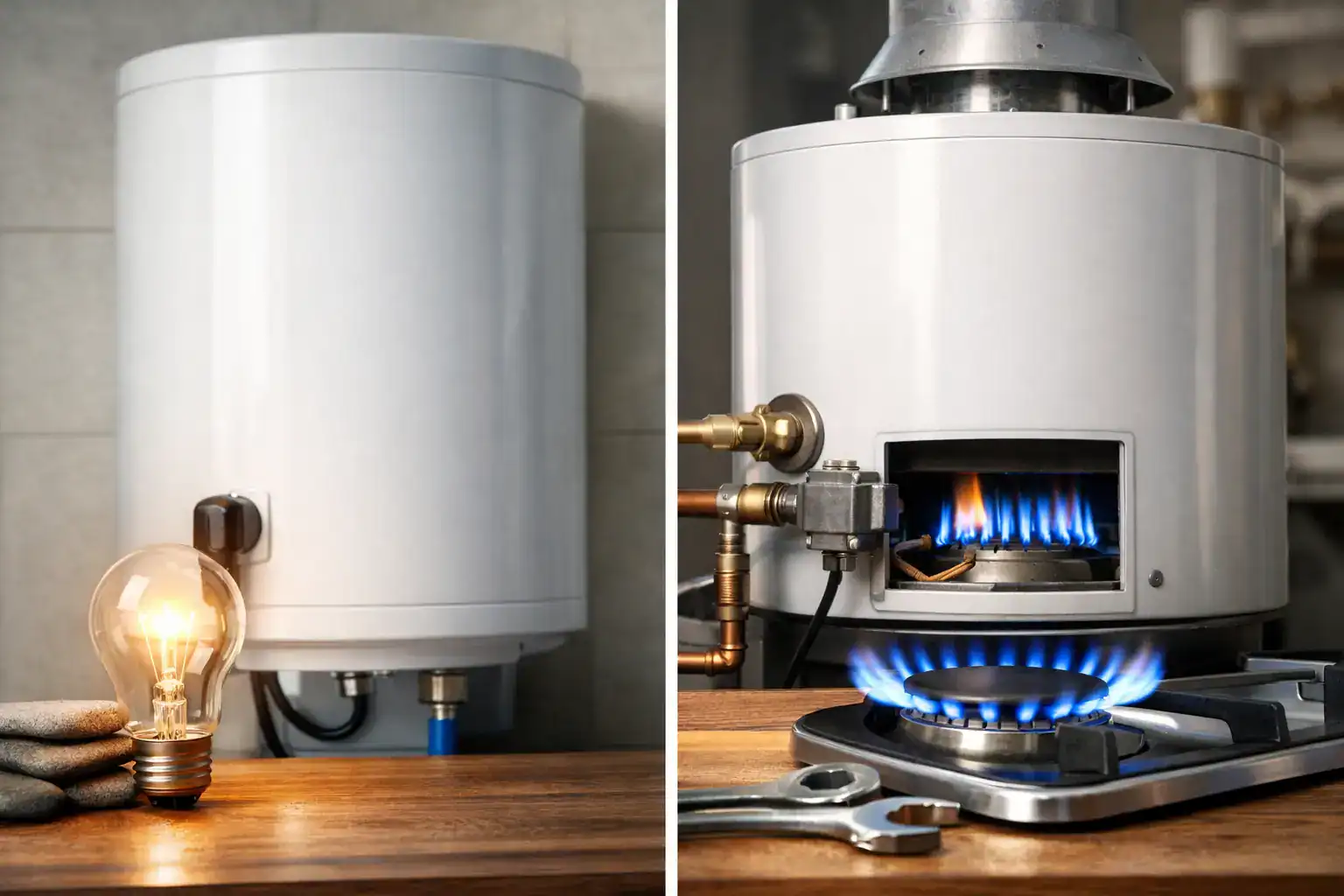
If your hot water system has started playing up, the choice between electric vs gas hot water gets real very quickly. One cold shower is usually enough to turn a “we’ll deal with it later” job into something that needs sorting today.
Electric vs gas hot water at a glance
There is no one-size-fits-all winner here. Electric hot water can be simpler to install and works well in properties without a gas connection. Gas hot water is often preferred for faster recovery and, in many cases, lower running costs, especially for households that use a lot of hot water.
The catch is that the best option depends on your home, your household size, your existing services and your budget.
What electric hot water does well
Electric systems are common across Western Sydney, especially in units, older homes and properties where adding or changing gas lines would make the job more involved. They are generally straightforward to replace if you already have an electric storage system in place, and that can keep installation costs down.
Electric storage units are familiar, reliable and widely available. If your current system has failed and you need a like-for-like replacement quickly, electric can be the most practical option. In many cases, it is simply the fastest path to getting the hot water back on without major changes to pipework or the property setup.
Electric systems also suit some smaller households with lower hot water demand. If only one or two people are using the system, and usage is spread out rather than everyone showering back-to-back in the morning, an electric unit can do the job just fine.
That said, running costs are where electric often loses ground. Standard electric storage systems can be expensive to operate, particularly if the household uses a lot of hot water. If the tank runs low, recovery can be slower than gas, which matters in busy family homes.
Where gas hot water has the edge
Gas hot water is popular for a reason. It generally heats water faster, which means quicker recovery and less waiting around when demand is high. If you have a larger household, kids and teenagers, or a commercial property that needs reliable hot water throughout the day, gas is often the stronger performer.
Both gas storage and continuous flow systems have a place. Gas storage gives you a set volume of heated water ready to go. Continuous flow heats water as needed, so you are not storing a full tank of hot water all day. For many homes, that can be a good balance of performance and efficiency.
Running costs can also be more favourable with gas, depending on your usage and local utility rates. If your property already has gas connected, switching to or replacing a gas hot water unit can make a lot of sense. In practical terms, families who use a lot of hot water often notice the difference in day-to-day performance more than anything else.
The trade-off is installation complexity. If there is no existing gas service, adding one is not a simple DIY-style upgrade. It needs licensed gas fitting work, compliance with Australian standards and proper consideration of ventilation, flueing and appliance suitability.
Running costs matter more than many people think
When comparing electric vs gas hot water, upfront cost is only part of the story. The cheaper unit on day one is not always the cheaper system over five or ten years.
Electric storage systems can be affordable to buy and replace, but ongoing energy costs may be higher. Gas systems can cost more to install, especially where upgrades are needed, but they may reduce monthly bills for households with steady or heavy hot water use.
Usage patterns matter here. A couple living in a smaller home may not see a dramatic savings difference with gas. A family of five almost certainly will look at the numbers differently. Commercial sites, rentals and multi-bathroom homes need the same practical thinking. The best system is the one that matches actual demand, not just the one that sounds cheapest in theory.
Installation depends on what your property already has
This is where a lot of hot water decisions are won or lost. If your home already has an electric storage unit in place and it has failed, replacing it with another electric unit is often the quickest, least disruptive path. That matters when the old system has burst, leaked or stopped heating altogether.
If your property already has gas available, replacing a gas system with gas is usually straightforward as well, provided the new unit is correctly sized and suitable for the existing setup. But changing from electric to gas, or from storage to continuous flow, can involve more than swapping one box for another. Pipe sizing, location, flue requirements, access and compliance all need to be checked properly.
What suits different types of properties?
For smaller units, granny flats or low-usage households, electric can still be a sensible choice, particularly if the property does not already have gas. It keeps the install simpler and can be cost-effective where demand is modest.
For family homes with multiple occupants, gas often comes out ahead. Faster recovery, stronger performance during peak use and potentially lower running costs make it appealing. If there are two bathrooms, a busy morning routine and regular washing, the difference can be noticeable.
Repairs versus replacement
Not every failing hot water system needs to be replaced immediately. Sometimes a thermostat, element, valve or ignition issue can be repaired. Other times the tank is leaking, the system is badly corroded or the unit is old enough that repair money would be better spent on a new installation.
This is where Shipwats can offer clear advice and explain whether the fault is worth repairing, what the likely lifespan is after repair, and whether an upgrade makes more financial sense. That is especially important when comparing electric vs gas hot water, because replacement creates a natural chance to reconsider what actually suits the property now.
The local factor in Penrith and surrounds
Hot water needs in this part of Sydney are not identical to every other market. Household sizes, older housing stock, renovation trends and a mix of established suburbs and newer builds all affect what works best. Some homes are straightforward replacements. Others need a more careful look at access, services and how the property has been altered over time.
If you are weighing up electric vs gas hot water, call Shipways and we can look at your current setup, your likely running costs and how much hot water you actually use. If the old unit has failed, do not wait around hoping it fixes itself. Get clear advice, get the system sized properly, and choose the option that will keep working when your household needs it most.