
Does my plumbing need regular maintenance?
Many homeowners are unaware that your home plumbing needs regular maintenance.
Your home’s plumbing system plays a crucial role in daily life, but it’s often overlooked, until something goes wrong. Regular maintenance can help prevent unexpected repairs, water damage, and costly bills. By following a few simple steps, you can keep your plumbing running smoothly and avoid common issues.
- Fix Leaking taps and Pipes
Water leaks are not only annoying but also waste a significant amount of water over time. Even a small drip can waste over 12,000 litres annually of water per day, increase your water bill.
• Immediate Action: As soon as you notice a leak, whether it’s a tap, pipe, or under-sink connection, fix it promptly. Most leaking taps are due to worn-out washers, which are inexpensive and easy to replace.
• Professional Help: If you’re not comfortable fixing pipes yourself or the leak is significant, call Shipways Effective Plumbing to avoid expensive water bills and damage. - Clean and Maintain Your Drains
Clogged drains can lead to sewer overflows in your backyard or overflow inside your bathroom.
Regular maintenance can help keep your drains clear and flowing properly.
• Prevent Clogs: Be mindful of what goes down your drains. Avoid pouring grease, oil, or food scraps down the kitchen sink and use drain guards to catch hair in bathroom drains.
• A homeowner can try and clear the drains with a combination of baking soda and vinegar to clean your drains every few months. Pour the baking soda down the drain, followed by vinegar, and then flush with hot water after a few minutes. This helps dissolve minor blockages and deodorise the drain.
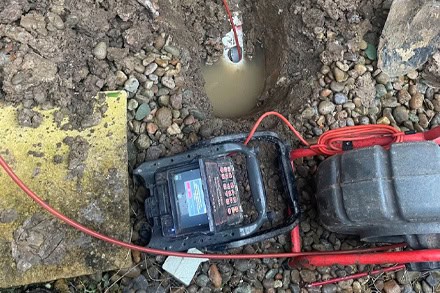
• Professional Drain Cleaning: For more stubborn blockages or slow-moving drains, consider calling Shipways Effective Plumbing once a year. We have all the specialised equipment including electric eel, water jetter and CCTV (drain camera).  Check for Water Leaks Regularly
Hidden water leaks can cause major damage over time, including mould growth, structural damage, and skyrocketing water bills. Regularly inspecting your home for leaks can help you catch problems early.
• Monitor Your Water Bill: A sudden spike in your water bill may indicate a hidden leak. Sydney Water monitor your water usage, if they notice your water use has gone up in a short period of time they will send you a notification about a potential water leak on the property.
• Check Under Sinks and Around Appliances: Inspect areas under sinks, around water heaters, dishwashers, and washing machines for dampness, mould, or water stains.
• Test the Toilet for Leaks: The homeowner can add a few drops of food colouring into the cistern of your toilet.
If the dye colouring starts to appear in the bowl this is an indicator you need to call Shipways Effective Plumbing. We have all the parts and knowledge on hand to resolve the issue.- Maintain Your Water Heater
Your water heater is essential for comfort and convenience, so keeping it in good working order is important. Regular maintenance can extend its life and ensure efficiency.
• Temperature Check: Set your water heater to a safe temperature, typically around above 60 degrees at the hot water tank.
If the tank has a tempering valve fitted the temperature coming out if the tempering valve must be set no higher than 50 degrees.
• Inspect for Leaks: Look around the base of your water heater for signs of leaking or moisture. If you notice any, call Shipways Effective Plumbing, we will investigate and either repair or replace the hot water issue on the same day. - Know Where Your Main Shut-off Valve Is
In case of a major plumbing emergency, such as a burst pipe, knowing how to shut off the water supply can prevent severe water damage and will help with any repairs that may be required.
• Locate the Valve: Make sure everyone in the household knows where the main water shut-off valve is located. It’s usually near where the water line enters your home.
If you are still unable to locate the shut-off valve, the owner can call Sydney Water, and they may have a record of the area it is located.
• Test It Regularly: Test the valve occasionally to ensure it works properly. If it’s stiff or hard to turn, consider replacing it.
 Proper plumbing maintenance can help you avoid the inconvenience and cost of emergency repairs. By taking these simple steps, you can ensure your plumbing system stays in great shape and continues to serve your home efficiently. Regularly inspecting for leaks, cleaning drains, and caring for your water heater are small but impactful tasks that can prevent bigger problems down the road.