
Continuous Flow Hot Water Problems Explained
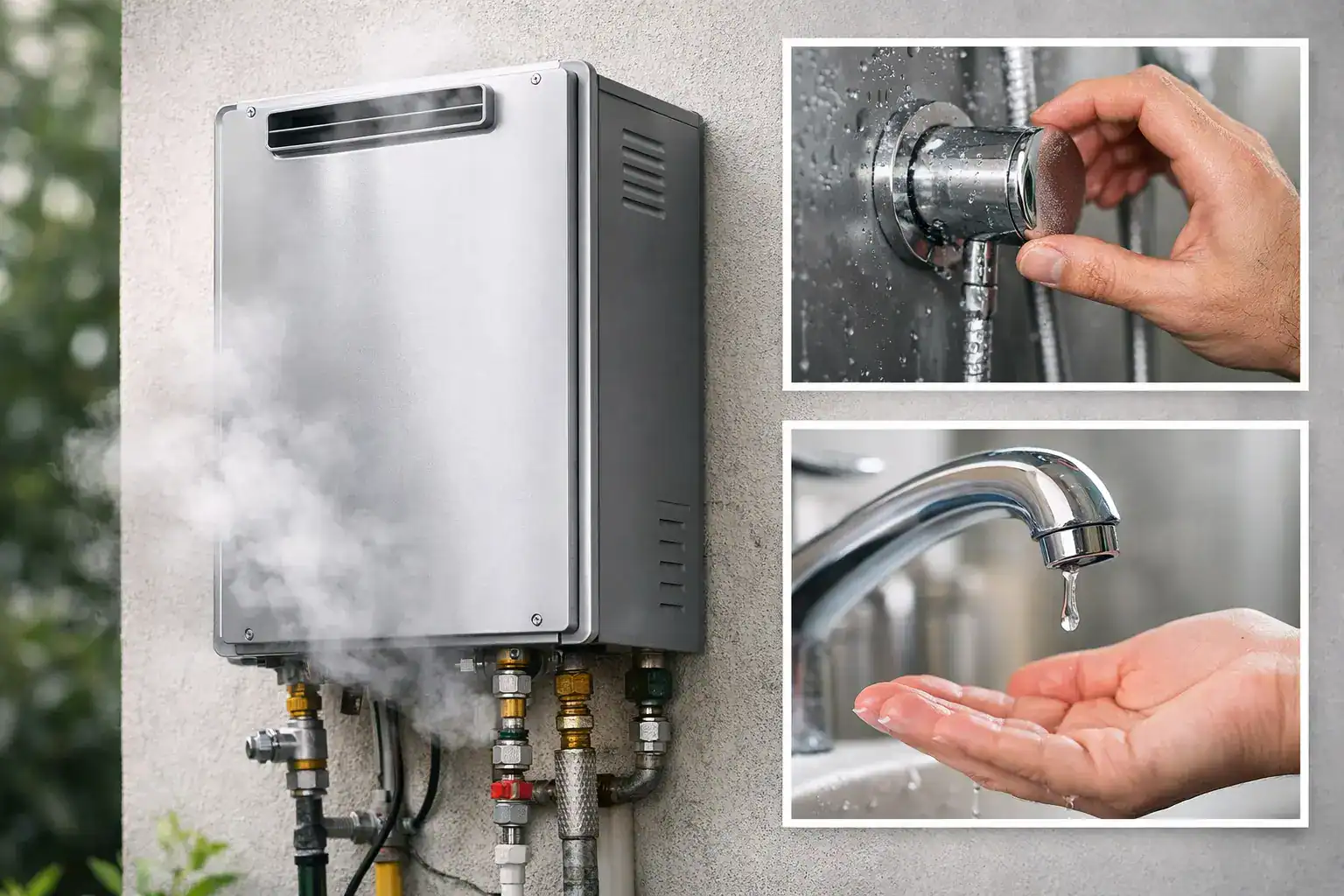
A shower that turns cold halfway through is more than an inconvenience on a busy Penrith morning. Continuous flow hot water problems can affect one tap, the whole house or a commercial property, and the cause is not always the unit itself. A blocked filter, weak water flow, gas supply fault or ageing component can all stop a system from heating properly.
Continuous flow systems are designed to heat water only when you need it. When they are working properly, they provide reliable hot water without the storage tank taking up space in the yard or cupboard. When they are not, the next step is a proper diagnosis rather than repeatedly resetting the unit and hoping it comes good.
Common continuous flow hot water problems
The water goes hot, cold, then hot again
Temperature fluctuation is one of the most common complaints. It can happen when the unit is receiving inconsistent water flow, when someone opens another tap, or when several fixtures are running at once. A shower mixer with a worn cartridge can also be responsible, particularly if the problem is isolated to one bathroom.
Continuous flow units need a minimum water flow before they ignite and stay operating. A partially closed isolation valve, clogged tap aerator, dirty inlet filter or low water pressure can bring flow below that point. In homes around Penrith and the Lower Blue Mountains, water pressure and pipe condition can vary considerably between properties, so the answer is not always a like-for-like replacement of the heater.
If the problem occurs throughout the home, our local licensed plumbers can check the heater, filters, valves and water supply. If it only happens at one outlet, the fixture itself may need repair instead.
No hot water at all
No hot water can be caused by something simple, such as a switched-off power point or an empty LPG bottle. It can also point to a gas supply issue, ignition fault, failed sensor, electrical fault or internal component failure.
First, check whether the unit display shows an error code and whether other gas appliances are operating normally. Do not remove the cover, attempt to relight internal components or tamper with gas connections. If you can smell gas, turn off the gas supply if it is safe to do so, avoid switches and naked flames, leave the area, then call Shipways and arrange urgent help from a licensed gas fitter.
A unit with no hot water does not automatically need replacing. Many faults can be repaired, especially where the appliance is otherwise in good condition and parts are available. The age of the system, repair cost and warranty status should guide that decision.
The water is too hot or will not hold the set temperature
Water that is hotter than expected needs attention, especially in homes with young children, older residents or tenants. The issue may be a controller setting, a faulty temperature sensor, a tempering valve problem or an incorrectly configured installation.
Do not rely on guessing the temperature by hand. A plumber can test the outlet temperature and check that the system is operating safely. This is particularly important after bathroom renovations, appliance replacements or changes to the property’s water supply.
The unit will not ignite or keeps shutting down
A continuous flow heater needs water flow, electrical power, air supply and a safe gas supply to operate. If any one of these is interrupted, the unit may fail to start or shut down during use.
External units can also be affected by insects, debris, weather exposure or damaged flue components. Indoor units have strict ventilation and flue requirements. These are not DIY checks. Incorrect work on a gas appliance can create a serious safety risk and may leave the installation non-compliant with Australian standards.
Error codes keep appearing
Error codes are useful, but they are a starting point rather than a diagnosis. The same code can sometimes be triggered by several underlying faults, including restricted water flow, ignition issues, fan faults, overheating, sensors or wiring.
Take a photo of the display and make a note of the code. This gives your plumber a clearer picture before testing begins. Resetting the unit once after checking the manufacturer’s basic instructions may be reasonable, but a code that returns should be investigated rather than ignored.
What you can check safely before calling a plumber
There are a few sensible checks that may save time without putting your home at risk. Confirm that the power point is switched on, check the controller setting, and see whether the issue affects all hot taps or only one. If you use LPG, check whether the bottle is empty and whether the changeover valve is set correctly.
You can also look around the outside of the unit for obvious obstructions, such as leaves against the casing, but do not insert anything into vents or remove panels. Keep notes on the model, age, error code and symptoms.
When the issue is likely outside the hot water unit
Not every hot water complaint comes from the continuous flow heater. A blocked showerhead can reduce flow enough to affect operation. A failing mixer tap may cross-connect hot and cold water, making the shower feel lukewarm even when the heater is producing hot water correctly. Leaking pipework, pressure-reducing valves and tempering valves can also play a part.
Our thorough inspection checks the whole hot water setup, including the appliance, pipework, fixtures and supply conditions.
Repair or replacement: how to make the right call
A good continuous flow system can provide many years of service, but no appliance lasts forever. If your unit is relatively modern, has a straightforward fault and is supported by available parts, repair is often the sensible option. Regular servicing can also help prevent scale, debris and small component issues from causing an unexpected breakdown.
Replacement may make more sense when the unit is old, repeatedly failing, heavily corroded, undersized for the household or costly to repair. Families who have added another bathroom, upgraded to larger showers or installed higher-demand fixtures may find their existing unit can no longer keep up. In that case, selecting the right flow rate and installation arrangement matters more than simply choosing the biggest model.
Why call a licensed plumber for continuous flow hot water
Hot water repairs and replacements must be carried out correctly to protect your household, property and warranty. This is especially true for gas continuous flow units, where pipe sizing, gas pressure, ventilation, flue clearances and commissioning all affect safe performance.
Shipways Plumbing provides practical hot water fault-finding across Penrith, Western Sydney and the Lower Blue Mountains. Our aim is straightforward: identify the actual problem, explain the repair options and costs clearly, and carry out work that lasts. Whether your system is Rheem, Rinnai, Dux, Thermann or another common brand, the right diagnosis comes before any recommendation.
If your hot water is cutting out, running cold or showing repeated error codes, arrange help before a minor fault turns into a no-hot-water emergency. A prompt inspection can restore reliable hot water and give you a clear answer on whether repair or replacement is the better value for your property.