
Commercial Plumbing Maintenance That Prevents Downtime
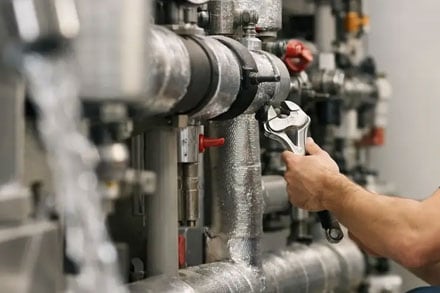
A blocked toilet before opening time, a hot water failure in a busy café, or water spreading across a retail floor can stop business faster than most owners expect. Commercial plumbing maintenance gives you a chance to find the warning signs early, arrange repairs on your terms and avoid the far greater cost of an urgent shutdown.
For businesses, landlords and property managers across Penrith, Western Sydney and the Lower Blue Mountains, plumbing is not something to think about only when it fails. A practical maintenance plan protects your premises, tenants, customers and equipment while helping you budget for repairs before a small issue becomes a major one.
Why you need practical maintenance for commercial plumbing
Commercial plumbing works harder than most residential systems. Toilets, taps, kitchen sinks, grease traps, hot water units and drainage lines may be used all day by staff, customers, tenants or visitors. More people using the system means more strain, more wear and a higher chance of blockages, leaks and failed fittings.
The most expensive plumbing problems are often not caused by one dramatic event. They start with a slow leak under a basin, a drain that takes a little longer to clear each week, a toilet that keeps running, or a hot water unit that is no longer heating consistently. Left alone, these issues can damage walls and flooring, increase water bills, create hygiene concerns and force a business to close areas of the premises.
Planned maintenance is about reducing those surprises. It does not mean replacing every older fitting. It means checking the condition of key systems, identifying what needs attention now and giving you clear options for what can be monitored or scheduled later.
The plumbing issues that disrupt commercial sites
Every property is different. A medical practice, strata complex, warehouse, school, restaurant and office all have different plumbing demands. Still, a few problems regularly cause disruption across commercial premises.
Blocked drains and toilets
Drain blockages are one of the most common reasons for urgent call-outs. In staff bathrooms and public amenities, wipes, paper towel, sanitary items and other rubbish can quickly restrict a line. In commercial kitchens, fats, oils and food waste build up inside pipes and can create recurring blockages if the underlying cause is not cleared properly.
A drain that gurgles, smells unpleasant or drains slowly is worth investigating before it overflows. Clearing a blockage may be the immediate job, but thorough maintenance should also consider whether tree roots, damaged pipework, poor pipe fall or repeated misuse is contributing to the problem. CCTV drain inspection can be useful where blockages keep returning, as it helps pinpoint the condition of the pipe without unnecessary digging.
Hidden leaks and water damage
Not every leak is obvious. Water can escape from pipe joints, toilet cisterns, hot water connections or underground lines without appearing in a convenient puddle. You may first notice a higher-than-normal water bill, damp cabinetry, peeling paint, mould, a patch of greener grass or the sound of water when no fixtures are in use.
Early leak detection can save substantial repair costs. The right approach depends on the site and the suspected location. Sometimes it is a straightforward visible repair. Other times, specialised leak detection is needed to locate the issue accurately and avoid pulling apart walls, flooring or landscaping without good reason.
Hot water interruptions
For hospitality venues, gyms, hairdressers, childcare facilities, medical rooms and many workplaces, hot water is not optional. A failing electric, gas, solar or heat pump system can quickly affect staff operations and customer service.
Maintenance should include checking the unit’s general condition, valves, connections, temperature performance and signs of corrosion or leaks. The best replacement option depends on demand, available space, energy source and how quickly the premises needs hot water recovered after peak use. A continuous flow system may suit one business, while a storage system may be more practical for another.
Backflow risks
Commercial properties with irrigation systems, commercial kitchens, medical equipment, workshops or other specialised water connections may require backflow prevention devices. These devices help stop contaminated water from flowing back into the clean water supply.
Backflow devices need proper testing and servicing by qualified professionals. This is not an area for guesswork or a quick patch job. If your site has a device installed, keeping records of testing and maintenance also makes property management far easier.
What a sensible maintenance plan looks like
There is no single schedule that suits every commercial building. A small office with one kitchenette has different needs to a busy restaurant or multi-tenancy property. The aim is to match inspections to risk, usage and the age of the plumbing system.
A good commercial plumbing maintenance visit may include inspection of visible pipework, taps, toilets, valves, drains, hot water equipment and any backflow prevention devices. It can also cover checking for leaks, testing drainage performance, identifying worn fittings and investigating reports from staff or tenants.
For high-use areas, regular checks are worth arranging before problems start. Kitchen drainage, public toilets and hot water systems often need more attention than a rarely used storeroom sink. If a property has a history of root intrusion or recurring blocked drains, planned drain cleaning or camera inspections can be cheaper than waiting for the next overflow.
Choosing repairs that suit the property and budget
A maintenance inspection should give you practical choices, not pressure to replace everything at once. Some issues need immediate repair because they risk water damage, hygiene problems or loss of service. Others can be planned into a quieter trading period or a future maintenance budget.
For example, a failed tap washer may be a simple repair, while severely corroded pipework may call for a larger upgrade. A damaged drain may sometimes be repaired with pipe relining instead of excavation, but that depends on the pipe’s condition, access and the extent of damage. The right solution is the one that addresses the cause, fits the site and provides reasonable long-term value.
Shipways regular commercial plumbing maintenance check set clear explanations of potential future problems and the available repair options. We offer honest upfront pricing because commercial decisions often involve owners, managers and tenants who all need to understand what is being approved.
Keep emergency contacts and access details ready
Even the best maintenance plan cannot prevent every emergency. A burst pipe, major blockage or hot water failure can still happen without warning. The difference is that a well-managed site is ready to respond.
Keep plumbing shut-off valve locations documented, make sure key staff know where they are and maintain current after-hours contact details. For managed properties, confirm who can approve urgent work, who has access to plant rooms and where essential site information is kept. Those few preparations can save valuable time when water is running where it should not be.
Shipways Plumbing provides responsive commercial plumbing support across the local area, with practical repairs, clear advice and emergency help when it cannot wait. A regular check now can be far easier than explaining a flooded bathroom, closed kitchen or damaged tenancy later.