Plumbing pipes are designed to last for decades, but they don’t last forever. Over time, corrosion, mineral deposits, changing water pressure and general wear can affect the condition of your home’s plumbing system.
The challenge is knowing when a pipe can be repaired and when replacement is the better long-term option.
A single leaking pipe doesn’t necessarily mean your entire plumbing system needs replacing. However, recurring leaks, deteriorating pipework and persistent water pressure problems can indicate that your pipes are approaching the end of their useful life.
So, when should you replace old plumbing pipes?
In this guide, we explain seven warning signs that your pipes may need replacing, how long different plumbing materials typically last and when it makes more sense to replace old pipes rather than continue repairing them.
7 Warning Signs Your Plumbing Pipes May Need Replacing
| Warning Sign | What It Could Mean |
|---|---|
| Frequent pipe leaks | Widespread deterioration or corrosion |
| Rusty or discoloured water | Corrosion or sediment within the plumbing system |
| Low water pressure | Restricted or deteriorating pipework |
| Visible corrosion | Pipe walls or fittings may be deteriorating |
| Old or outdated pipe materials | Increased risk of failure depending on condition |
| Repeated plumbing repairs | Replacement may be more economical |
| Renovating an older home | Opportunity to upgrade ageing plumbing |
These signs don’t automatically mean every pipe needs replacing. A licensed plumber can inspect the system and determine whether the problem is isolated or more widespread.
1. Your Plumbing Pipes Keep Leaking
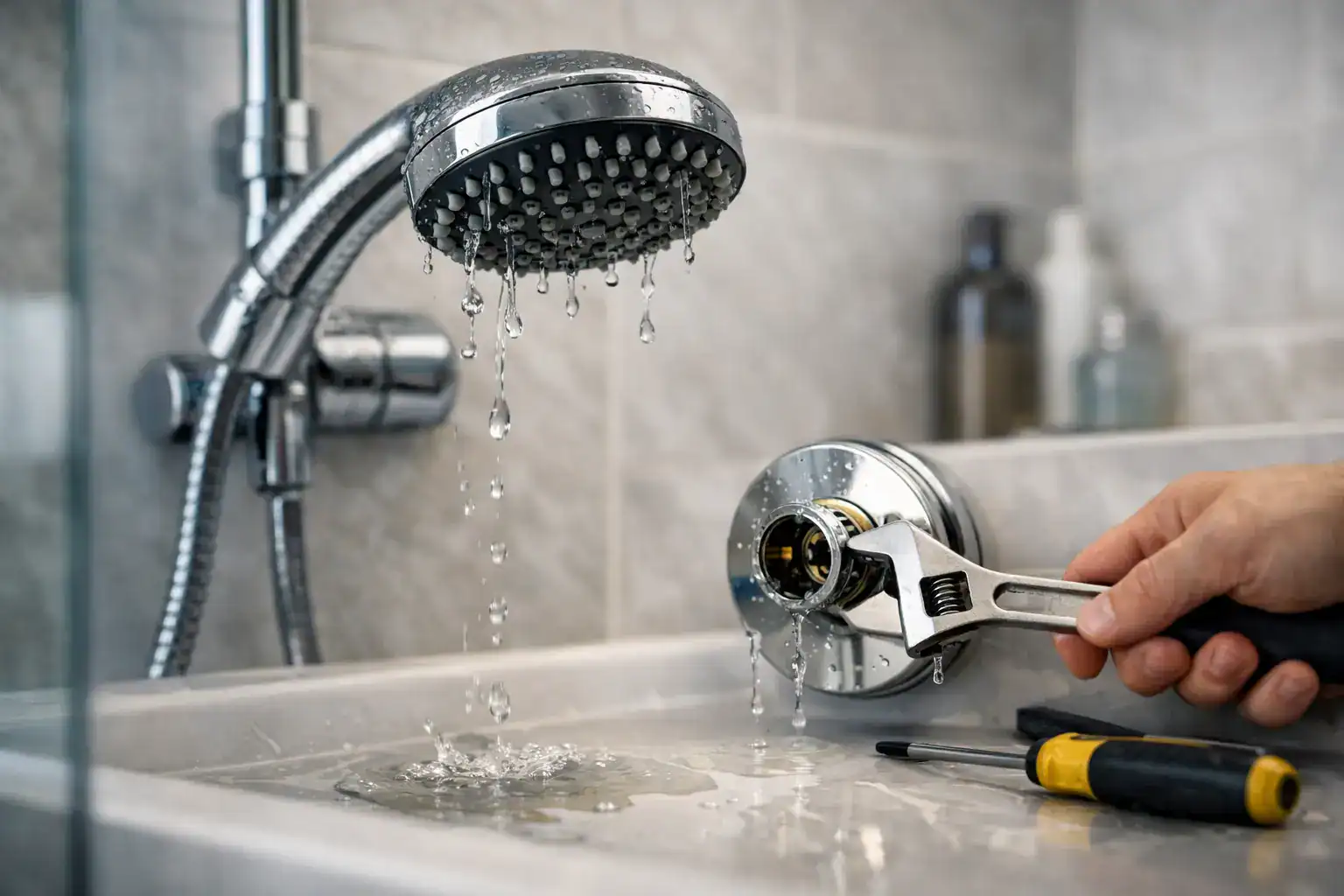
One of the clearest signs that old plumbing pipes may need replacing is a history of repeated leaks.
A single leak can occur for many reasons, including a damaged fitting, accidental impact or a localised section of corrosion.
However, when leaks develop in different areas of the same plumbing system, it may indicate that the pipework is deteriorating.
Warning Signs
- Multiple pipe leaks within a relatively short period
- Repeated pinhole leaks in copper pipes
- Water stains appearing on walls or ceilings
- Damp patches beneath sinks or around plumbing fixtures
- Unexplained increases in water bills
Should You Repair or Replace?
If the surrounding pipework is in good condition, replacing a damaged section may be sufficient.
However, if several sections have developed leaks, continuing to repair individual failures may become expensive.
A plumber can assess the condition of the pipework and advise whether partial replacement or a more extensive upgrade is appropriate.
If you suspect a concealed leak, read our guide on how to tell if you have a hidden water leak.
2. Your Tap Water Is Rusty or Discoloured
Brown, yellow or reddish water can sometimes indicate corrosion within older plumbing pipes.
This is particularly relevant in properties with ageing galvanised steel pipework.
Over time, corrosion can develop inside the pipes, potentially restricting water flow and affecting water quality.
However, discoloured water isn’t always caused by household plumbing.
Sediment or disturbances within the public water supply can also temporarily affect water colour.
What Should You Check?
If you notice discoloured water:
- Check whether the problem affects hot water, cold water or both.
- See whether the discolouration occurs at one tap or throughout the property.
- Check whether your local water supplier has reported a supply interruption.
- Arrange a plumbing inspection if the problem persists.
If discolouration only occurs when using hot water, the hot water system may be contributing to the problem.
Persistent discolouration should be investigated rather than assuming that replacing household pipes will solve it.
3. Your Home Has Consistently Low Water Pressure
Low water pressure can make everyday activities such as showering, washing dishes and using appliances frustrating.
In older homes, restricted pipework may be one possible cause.
Mineral deposits, corrosion and internal deterioration can reduce the effective diameter of some pipes, restricting water flow.
Other Possible Causes
Low water pressure can also result from:
- Partially closed isolation valves
- Faulty pressure control valves
- Blocked tap aerators or shower heads
- Leaking pipes
- Problems with the water supply
- Undersized plumbing installations
When Is Pipe Replacement Necessary?
If the problem is caused by a faulty valve or blocked fixture, a straightforward repair may restore normal performance.
However, if ageing pipes have become severely restricted internally, replacing the affected pipework may provide a more reliable solution.
A licensed plumber can investigate the cause before recommending replacement.
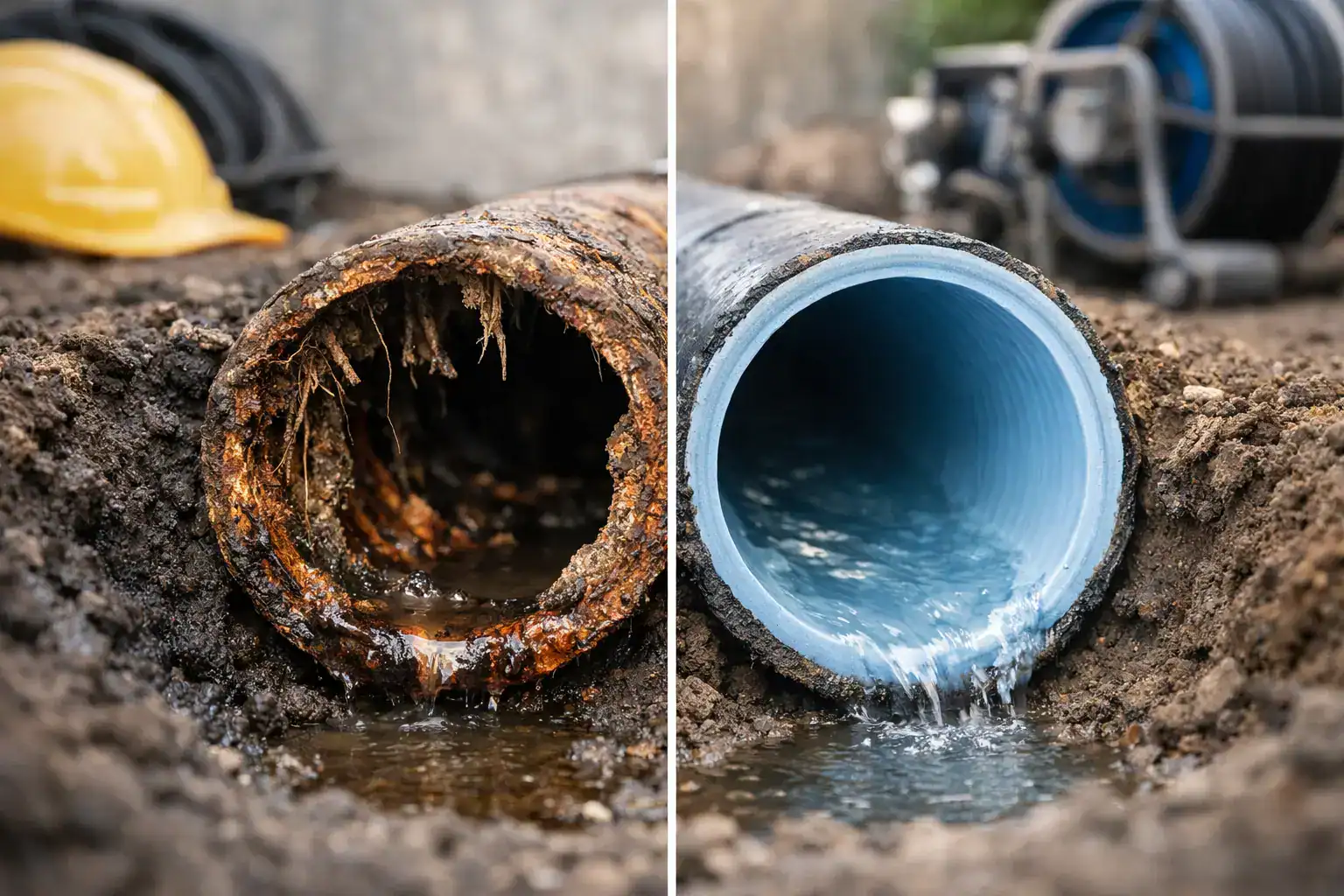
4. You Can See Corrosion or Deterioration on Your Pipes
Visible deterioration is another warning sign that older plumbing pipes may require attention.
Depending on the material, you may notice:
- Rust forming on steel pipes
- Green or blue deposits around copper fittings
- Corrosion near pipe joints
- Moisture around connections
- Pitting or visible damage to pipe surfaces
Not all surface discolouration indicates that a pipe is about to fail.
For example, copper naturally develops surface oxidation over time.
However, significant corrosion, recurring moisture or visible pitting should be assessed by a plumber.
Why Corrosion Matters
As corrosion progresses, it can weaken pipe walls and increase the likelihood of leaks.
If deterioration is widespread, replacing the affected sections may be more practical than repeatedly repairing individual failures.
5. Your Home Has Old or Outdated Plumbing Materials
The age and material of your plumbing pipes can help determine whether replacement should be considered.
Older Australian homes may contain copper, galvanised steel or other plumbing materials that were commonly used when the property was built.
Modern homes generally use approved copper or plastic plumbing systems, depending on the installation.
How Long Do Plumbing Pipes Last?
The following figures are broad estimates rather than guaranteed lifespans.
| Pipe Material | Approximate Service Life | Common Considerations |
|---|---|---|
| Copper | Often 50 years or more | Water chemistry, corrosion and installation quality |
| Galvanised steel | Commonly 20–50 years | Internal rust, corrosion and restricted flow |
| PVC pressure pipe | Often 50 years or more | Installation, pressure, temperature and UV exposure |
| PEX | Often 40–50 years or more | Installation quality, operating conditions and product specifications |
Actual performance can vary considerably.
A well-maintained copper plumbing system may remain serviceable for many decades, while pipes exposed to aggressive water conditions or poor installation practices may fail much earlier.
Pipe age alone is not a reason to replace an entire plumbing system.
The more important factors are the condition of the pipework, its repair history, the materials used and whether it continues to perform reliably.
6. You’re Paying for Repeated Plumbing Repairs
Repairing a single damaged pipe is often more economical than replacing an entire plumbing system.
However, repeated repairs can become expensive, particularly when pipes are concealed behind walls, beneath floors or within concrete slabs.
If you are regularly paying for leak detection, wall repairs and pipe replacements, it may be time to consider a more permanent solution.
Repair vs Replacement: Which Is Better?
| Situation | Likely Approach |
|---|---|
| One isolated leak in otherwise sound pipework | Localised repair |
| A damaged fitting or connection | Repair or replace fitting |
| Multiple pinhole leaks in ageing pipes | Consider broader replacement |
| Extensive corrosion throughout pipework | Replacement may be appropriate |
| Low pressure caused by a faulty valve | Repair the valve |
| Severe internal pipe restrictions | Replace affected pipe sections |
| Old pipes exposed during renovations | Consider upgrading accessible sections |
The decision should be based on the condition of the plumbing system rather than the number of repairs alone.
A professional inspection can help determine whether continuing repairs remains economical.
7. You’re Renovating an Older Home
Bathroom, kitchen and laundry renovations provide an excellent opportunity to inspect and upgrade ageing plumbing.
When walls, floors and fixtures are already being removed, accessing old pipes may be considerably easier than after the renovation is complete.
If your property has older pipework, replacing deteriorating sections during a renovation may help avoid future disruption.
Why Consider Plumbing Replacement During Renovations?
- Existing pipework may be easier to access.
- Old or corroded pipes can be replaced before new finishes are installed.
- Plumbing layouts can be improved to suit new fixtures.
- Undersized or poorly positioned pipes may be corrected.
- The risk of future leaks behind newly renovated walls may be reduced.
However, not every renovation requires complete pipe replacement.
If the existing plumbing is in good condition and meets the requirements of the new installation, it may be suitable to retain.
Should You Replace All the Plumbing Pipes in Your House?
Not necessarily.
A complete home repipe involves replacing much or all of the existing water supply pipework.
This may be appropriate when a property has extensive corrosion, widespread leaks or plumbing materials that are no longer performing reliably.
However, many homes only require partial pipe replacement.
For example, a plumber may recommend replacing an ageing hot water line while retaining cold water pipes that remain in good condition.
When Partial Pipe Replacement Makes Sense
Partial replacement may be appropriate when:
- Damage is confined to one section.
- The remaining pipework is structurally sound.
- The problem involves a specific material or installation.
- Only certain sections are accessible during renovations.
- There is no evidence of widespread deterioration.
When a Complete Repipe May Be Worth Considering
More extensive replacement may be appropriate when:
- Leaks are occurring throughout the property.
- Galvanised steel pipework is extensively corroded.
- Multiple sections have significant internal restrictions.
- The plumbing system has a history of repeated failures.
- Major renovations make replacement practical and cost-effective.
The most appropriate approach depends on the property’s age, construction, pipe materials and overall plumbing condition.
What About Old Sewer and Drainage Pipes?
Water supply pipes and drainage pipes perform different functions and often require different repair methods.
Water supply pipes deliver pressurised water to taps, showers, toilets and appliances.
Drainage pipes carry wastewater away from the property.
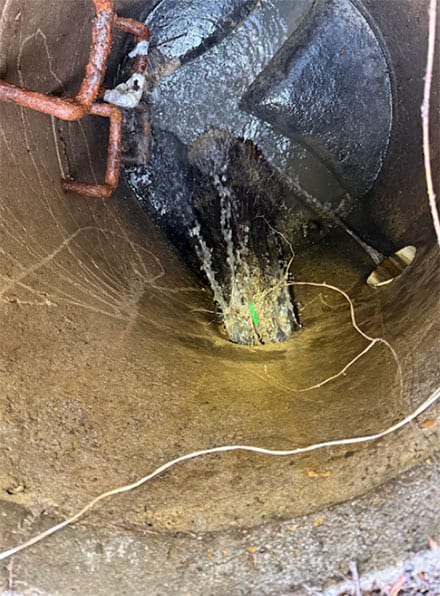
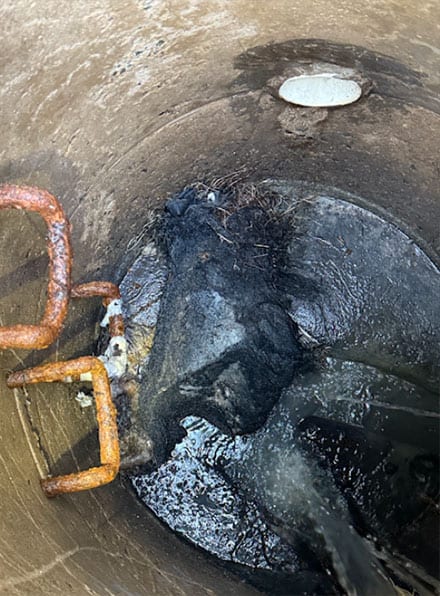
Older sewer and stormwater pipes can develop problems such as cracked joints, tree root intrusion, ground movement and partial collapse.
In some cases, damaged drainage pipes can be repaired using trenchless pipe relining rather than traditional excavation.
However, pipe relining is not generally the solution for replacing ageing household drinking-water supply pipes.
If your property has recurring blocked drains or damaged underground sewer pipes, learn more about our Pipe Relining Penrith services.
How Much Does It Cost to Replace Old Plumbing Pipes?
The cost of replacing plumbing pipes depends on several factors, including:
- The number and length of pipes requiring replacement
- The materials being installed
- Whether pipes are accessible or concealed
- The property’s size and construction
- Whether walls, floors or concrete need to be opened
- The number of plumbing fixtures being connected
- Any associated reinstatement work
Replacing an accessible section of pipe is generally less involved than replacing concealed plumbing throughout an entire house.
For an accurate quotation, a plumber needs to assess the existing system and determine the scope of work.
Can Old Plumbing Pipes Be Dangerous?
Ageing plumbing can create several risks, particularly when pipes are corroded, leaking or made from materials that are no longer considered suitable.
Potential concerns include water damage, mould growth, reduced water quality and unexpected pipe failures.
Some older Australian properties may also contain legacy plumbing materials that warrant specialist assessment, including lead-containing components or certain older plastic pipe products.
However, the presence of old pipes does not automatically mean your water is unsafe.
If you have concerns about drinking-water quality or the materials used in your home, seek advice from your water supplier or a licensed plumber. Water testing may be appropriate in some circumstances.
Frequently Asked Questions
How do I know if my plumbing pipes need replacing?
Common warning signs include recurring leaks, visible corrosion, persistent low water pressure, discoloured water and repeated plumbing repairs. A licensed plumber can determine whether the problem is isolated or affects a larger section of pipework.
How long do copper plumbing pipes last?
Copper pipes can last 50 years or longer under suitable conditions. However, water chemistry, installation quality, corrosion and operating conditions can affect their lifespan. Age alone does not determine whether replacement is necessary.
Should I replace 40-year-old plumbing pipes?
Not automatically. Some 40-year-old plumbing systems remain in good condition, while others may have significant deterioration. An inspection can help determine whether repairs, partial replacement or a complete upgrade is appropriate.
Is it better to repair or replace leaking pipes?
A single isolated leak can often be repaired. If pipes are deteriorating throughout the property or developing repeated leaks, replacement may provide better long-term value.
Can I replace just one section of plumbing pipe?
Yes. Partial pipe replacement is common and may be appropriate when damage is limited to one section. The replacement materials and connections must be suitable for the existing plumbing system.
Is replacing plumbing pipes worth it during a renovation?
It can be, particularly when old pipes are already exposed. Replacing deteriorating plumbing before installing new walls, tiles or cabinetry may reduce the risk of future disruption and repair costs.
Do old plumbing pipes affect water pressure?
They can. Corrosion and internal deposits may restrict water flow, particularly in older galvanised steel pipes. However, low water pressure can also result from faulty valves, leaks and other plumbing problems.
Professional Plumbing Repairs and Pipe Replacement in Penrith
If your home has ageing plumbing, recurring leaks or deteriorating pipes, Shipways Effective Plumbing can help assess the condition of your system and recommend the most practical solution.
With over 20 years of plumbing experience, our licensed and insured plumbers assist homeowners throughout Penrith, Western Sydney and the Lower Blue Mountains.
We provide professional plumbing repairs, leak detection, burst pipe repairs and replacement of damaged or deteriorating pipework.
Whether you need a single leaking pipe repaired or advice about upgrading older plumbing, we can help you understand your options.
Don’t wait for an ageing pipe to burst before investigating the problem.
Call Shipways Plumbing on 0410 638 342 to arrange a plumbing inspection or discuss your pipe repair and replacement requirements.